

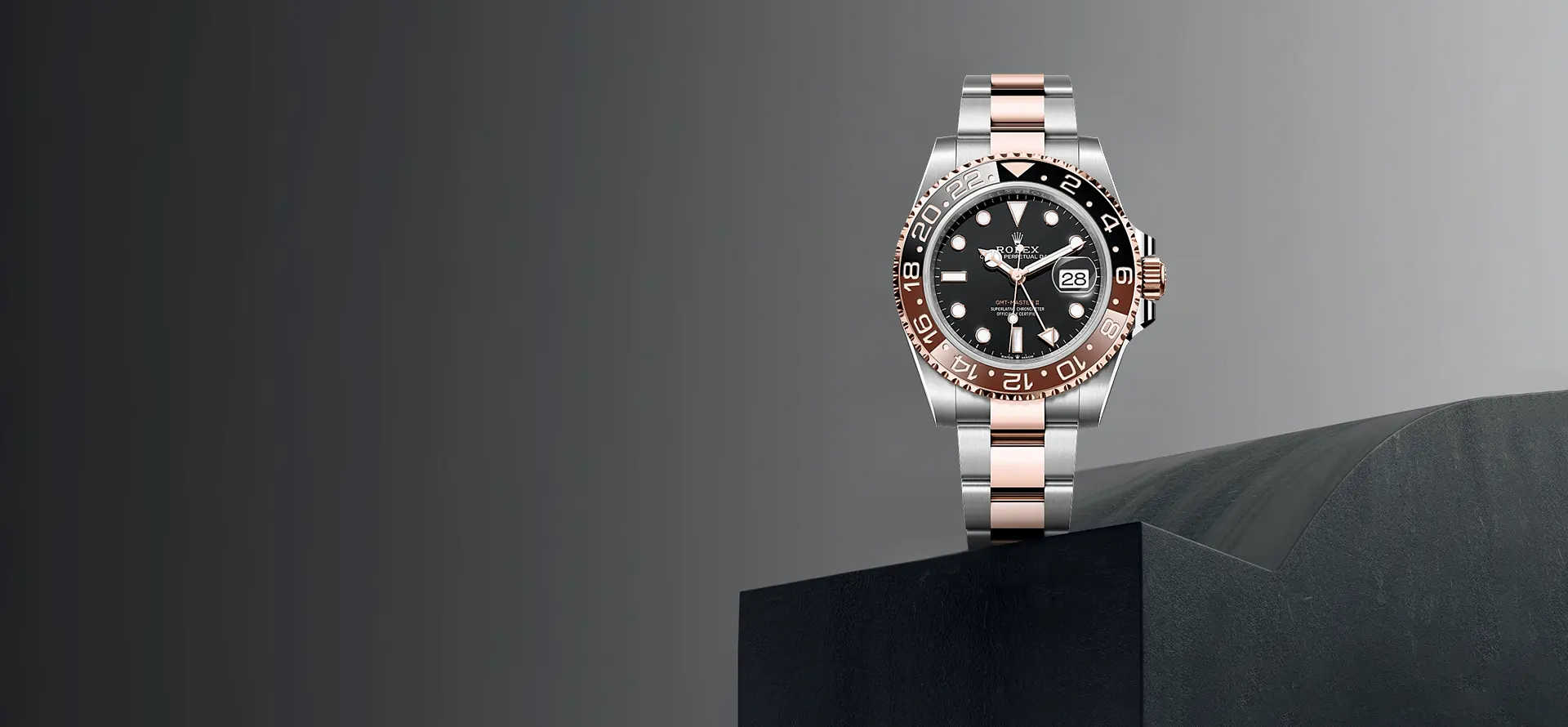
Walk through Mayfair or Knightsbridge, and you’ll see Rolex watches displayed behind reinforced glass. The prices reflect more than craftsmanship — they reflect London’s position as a global luxury center where demand consistently outpaces supply.
Over the years, we’ve watched how Londoners approach acquiring these timepieces. The conversation around Rolex finance has shifted. What was once considered unusual has become a practical consideration for many buyers navigating the capital’s luxury market.
The London Context
London’s luxury watch market operates differently than other UK regions. Authorized dealers in the city face waiting lists that stretch years for popular models. The secondary market responds with premium pricing that reflects scarcity.
This creates a specific financial landscape. You’re not just considering the retail price — you’re weighing opportunity cost, waiting time, and the reality that certain models appreciate rather than depreciate.
Finance options have emerged to address this complexity. Personal loans, specialist luxury finance providers, and credit arrangements through retailers all exist. Each carries different terms, interest rates, and implications.
What Experience Shows
We’ve observed that buyers who take time to understand their options tend to feel more confident about their decisions. Rushing into finance arrangements because a specific model became available creates pressure that doesn’t serve the process well.
The interest rates matter significantly over time. A difference of two or three percentage points compounds across a typical finance period. Some buyers focus entirely on monthly payment amounts without calculating total cost — that approach often leads to surprise later.
London’s financial services sector means access to competitive rates if you know where to look. High street banks, specialist lenders, and luxury goods finance companies all operate here. The terms vary considerably.
Considerations That Surface Repeatedly
Deposit requirements differ across providers. Some luxury finance specialists accept lower deposits but charge higher interest rates. Traditional personal loans might offer better rates but require stronger credit profiles.
Insurance becomes relevant when you finance a watch. The lender often requires comprehensive coverage. In London, where theft rates for luxury items run higher than national averages, this adds to the total cost of ownership.
The timepiece itself holds value differently depending on model and condition. Sports models from Rolex have shown remarkable value retention in the London market over the past decade. That pattern doesn’t guarantee future performance, but it informs how some buyers think about finance as a bridge rather than a burden.
What Feels Right for You?
Finance makes certain acquisitions possible that would otherwise require years of saving. That access carries cost — both in interest and in the commitment it creates.
The buyers who seem most satisfied are those who treated the finance decision with the same care they applied to choosing the watch itself. They compared multiple providers, understood the full terms, and felt comfortable with the monthly obligation relative to their broader financial picture.
London offers options that other UK cities don’t. That advantage only helps if you take time to explore what’s available and what aligns with how you prefer to manage significant purchases.
Does financing a Rolex make sense for your situation, or does waiting and saving feel more appropriate for how you approach these decisions?
