

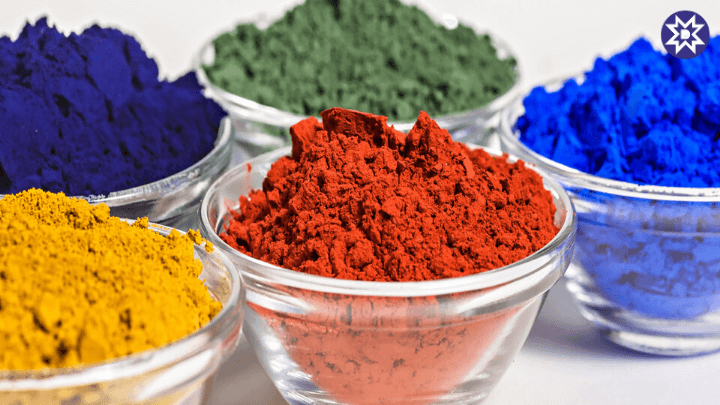
The mastery of colour in painting is not merely a component of the artistic process; it is a profound language in itself that allows for the expression of emotions, creation of atmosphere, and the depiction of reality—or the lack thereof. Within this spectrum of colour, paint colour pigments play an essential role. These fine powders define the very essence of the visual impact and durability of artwork. Mastering them is not an overnight affair; it is an intricate skill that necessitates a comprehensive understanding of the pigment properties and their interactions.
The Science Behind Paint Colour Pigments
Pigments are the backbone of any paint formula. They are selected for their ability to absorb, reflect, or transmit light, which in turn gives each paint its unique hue. The science behind these materials is fascinating: every pigment has a specific crystal structure that interacts with light in a particular way. Artists must comprehend this to anticipate how pigments will behave when mixed or when applied onto a surface.
Historical Significance of Pigments
Historically, pigments were sourced from earthy materials, minerals, and plants, lending them mystical and sometimes formidable value. Over time, advancements in chemistry led to the development of synthetic pigments, expanding the artist’s palette beyond the limitations of the natural world.
Properties of Pigments
Fundamental to the mastery of paint colour pigments are the properties that distinguish one from another. These include characteristics such as tinting strength, lightfastness, transparency, and toxicity. Grasping these properties is key to predicting how pigments will perform when mixed and ensures the longevity and vibrancy of the artwork.
Understanding Colour Theory
Colour theory is the cornerstone of the effective use of pigments. It involves the understanding of the colour wheel, as well as the concepts of hue, value, and saturation. When artists understand the relationships between colours and the effects of visual perception, they can create a more compelling and harmonious composition.
Mixing Colours and Pigments
Mixing pigments to achieve the right shade requires skill and patience. Each pigment has a bias towards another colour, which must be acknowledged when aiming for precise colour mixtures. A key aspect is knowing the difference between hues that can be mixed to create pure and vibrant secondary colours and those that will result in muddy or desaturated outcomes.
Techniques in Colour Application
Paint application techniques also influence the final outcome of colour. Glazing, scumbling, and wet-into-wet are techniques that can alter the perception of colour by adjusting its transparency and the way layers interact with each other and the light. These methods, when harnessed well, can add depth and luminosity to the artwork.
Colour Context and Perception
Colour context is another dimension to mastering pigments. Colours can appear different depending on their surroundings due to the phenomenon of simultaneous contrast. Artists must account for the effect of this phenomenon in their work to ensure their intended perception of colour is communicated to the viewer.
Experimenting with Paint Colour Pigments
Experimentation is the hands-on approach to achieving proficiency. Artists should feel encouraged to trial various combinations and applications of pigments. Documenting these experiments can serve as a valuable reference, building the practitioner’s personal repertoire of pigment knowledge.
Advancements in Pigment Technology
Technology continually informs new pigment formulations. Today, artists have access to an unprecedented range of pigments, some offering enhanced properties such as stability, vibrancy, and eco-friendliness. Staying abreast of these advancements can equip artists with the best tools for their works.
Choosing Quality Paint Colour Pigments
Investing in quality paint colour pigments is paramount. High-grade materials result in greater purity of colour and reliability. While they may come at a higher cost initially, the longevity and aesthetic superiority they lend to artworks prove cost-effective in the long run.
Sustainability in Pigment Usage
With a rising consciousness about the environmental impact of art materials, the selection of sustainable paints and pigments is increasingly important. Some modern pigments are engineered to minimise toxic elements without compromising on performance, thus aligning artistic practices with ecological values.
The Artist’s Palette: A Personal Journey
Ultimately, the artist’s palette is deeply personal to their vision and methodology. Each practitioner must discern their preferences for texture, opacity, and drying time, choosing pigments that align harmoniously with their style and subject matter. This bespoke mixture becomes a part of the artist’s signature.
The Lifelong Art of Mastering Colour
Mastering the art of colour with exquisite paint colour pigments is a lifelong journey filled with continuous learning and practice. Deeply intertwined with the creative process, the aptitude to work with pigments is what often differentiates good art from great art. For artists willing to delve into the science, history, and experimentation of pigments, the artistic rewards can be bountiful and endlessly inspiring.
Conclusion
Colour mastery is an essential skill for any visual artist. The decision to choose and use certain paint colour pigments can define the voice of an artwork, convey feelings, and create impact. It is a complex craft, rich in tradition and innovation, where artists are continually challenged to push the boundaries of their expression through the potent medium of colour.
