

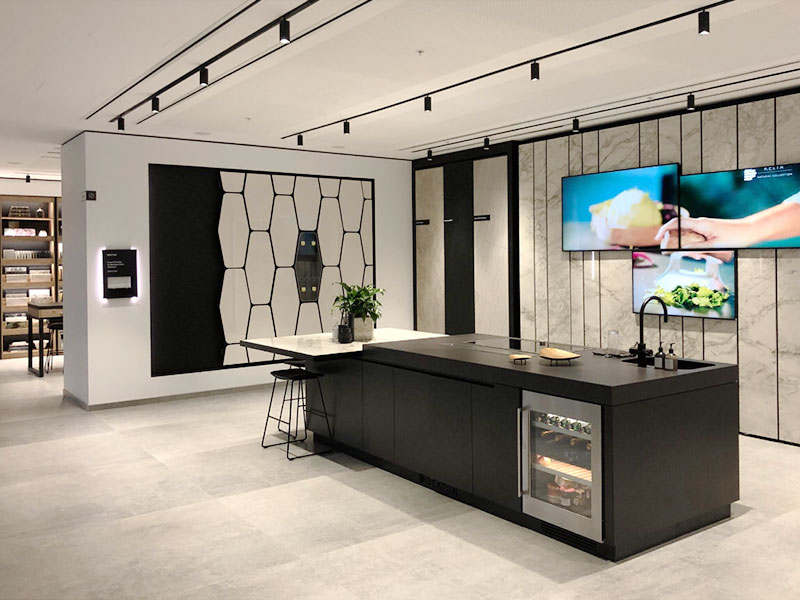
The aesthetics and functionality of a space are crucial in the hospitality industry. First impressions are everything, and how a space is laid out can have a significant impact on a guest’s experience. Whether it’s a high-end restaurant, a casual café, or a boutique hotel, the way a space is designed and fitted out can make the difference between a welcoming atmosphere and a forgettable one. This article explores the intricate art of hospitality fitout, offering insights into how to create spaces that are not only visually appealing but also conducive to a comfortable and memorable experience for guests.
Understanding the Importance of Hospitality Design
Interior design in the hospitality sector is more than just about being on-trend; it’s about creating a space that aligns with a brand’s identity and values. It’s a complex jigsaw where every piece, from lighting to furniture, and from colour palettes to textures, must perfectly fit together to produce a cohesive and inviting environment.
When considering a hospitality fitout, the primary objective should be to reflect the essence of the brand. This means understanding the target demographics, their expectations, and what makes the brand unique. Subsequently, every design element should work to enhance the customer’s overall experience, making them feel welcomed and relaxed.
Key Elements in Hospitality Fitouts
Several key elements come into play when designing a hospitable space. One of the primary considerations is the flow of the space. How guests move through the area, from the entrance to the seating to the restrooms, should be intuitive and seamless. Any obstructions can disrupt their comfort and the natural feel of the environment. This is not merely a matter of aesthetics but also one of safety and functionality.
Lighting plays a significant role as well. It’s not just about bright versus dim lighting but the quality and warmth of the lights used, how they play with shadows, and how they highlight certain aspects of the space. Lights can create an ambience and set the mood, which is indispensable in hospitality settings.
Choosing the Right Materials and Finishes
The choice of materials and finishes also goes a long way in establishing the atmosphere of a space. Durable and easy-to-clean surfaces are essential for high-traffic areas, but this does not mean compromising on elegance or warmth. The challenge is to find the right balance between practicality and aesthetics, with materials that resonate with the brand’s ethos and appeal to the guests’ senses.
One must also consider acoustic treatments, particularly in spaces where the sound level can become a barrier to communication. By integrating acoustic panels or selecting furnishings that absorb sound, the ambient noise can be controlled to create a quieter environment where guests feel more at ease and attendants can communicate more effectively.
The Role of Bespoke Furniture
Furniture is much more than seating arrangements and eating surfaces; it’s a cornerstone of the visual and functional appeal of a hospitality fitout. Bespoke furniture that has been tailored to the specifications and needs of a space can significantly uplift the décor while providing comfort and utility to guests. From custom-made benches to unique tables, each piece can play an essential role in defining the character of the interior.
The texture and colour of the upholstery, the materials used in the construction of the furniture, and even the ergonomics all contribute to the overall guest experience. Custom furnishings also allow for space optimisation, providing the best arrangement for both aesthetics and flow.
Incorporating Technology into Design
As technology continues to advance, incorporating it into interior design becomes increasingly important. Smart systems for climate control, intuitive lighting solutions, and digital interaction points are just a few examples of how tech can enhance a guest’s experience. Balancing technology with design requires a thoughtful approach so that the former complements rather than overwhelms the latter.
Project Execution and Management
The planning and execution phase of a hospitality fitout project is as critical as the design itself. Coordinating various trades, adhering to stringent regulations, and managing timelines all come into play. Hiring experienced professionals who understand the nuances of the hospitality industry and who can deliver projects on time and within budget is fundamental to the success of any fitout.
The complexities of project management often involve juggling multiple aspects simultaneously, ensuring that the design vision is translated into reality without compromise. From construction to installation to the final touches, each step requires meticulous attention to detail and seamless communication among all stakeholders.
Conclusion
Capturing the essence of hospitality design is about more than creating a visually pleasing space; it’s about crafting an experience. Through thoughtful choice of colours, materials, and layout, to the integration of technology and bespoke furnishings, every detail adds to the tapestry of the guests’ experience.
Investing in a professional hospitality fitout is not only about setting a space apart from its competitors but also about building an environment where guests feel engaged, valued, and eager to return. With a blend of aesthetics, functionality, and an ever-watchful eye on the future trends of hospitality design, businesses can thrive in an industry where guests seek not just a service, but an unforgettable experience.
Whether renovating an existing establishment or starting anew, the art of hospitality fitout is an ongoing journey of balancing form and function while staying true to the brand’s identity. It is an exciting and dynamic field that continually challenges designers and business owners to innovate and excel in creating inviting spaces.
