

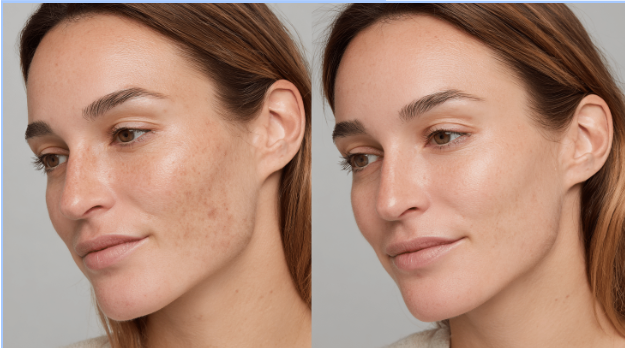
Healthy, radiant skin is one of the most powerful indicators of overall wellness and confidence. Among the many dermatological treatments available today, Tretinoin stands out as one of the most effective and scientifically proven topical treatments for both acne control and anti-aging skin rejuvenation. Dermatologists around the world rely on this powerful retinoid to treat clogged pores, reduce wrinkles, smooth uneven texture, and stimulate skin renewal.
In this comprehensive guide, we explore how tretinoin works, how to use it properly, its benefits, potential side effects, and the best strategies for achieving clear and youthful skin. When used correctly and consistently, tretinoin can transform dull or acne-prone skin into a smoother, brighter, and healthier complexion.
What Is Tretinoin and Why It Is So Effective
Tretinoin is a vitamin A derivative known as a retinoid, widely used in dermatology for treating acne and signs of aging. Unlike many cosmetic skincare products, tretinoin works at a cellular level, accelerating skin turnover and improving the structure of the skin.
When applied regularly, tretinoin 0.1% cream promotes the rapid shedding of old skin cells while encouraging the production of new ones. This process clears clogged pores, reduces acne breakouts, and fades dark spots caused by previous inflammation. At the same time, it stimulates collagen production, which helps reduce fine lines, wrinkles, and sagging skin.
Another reason tretinoin is so powerful is that it improves skin cell communication. This means skin cells behave more normally and efficiently, preventing the formation of new acne while improving overall skin texture. With consistent use, many individuals experience smoother skin, minimized pores, and a more youthful glow.
How Tretinoin Works to Treat Acne
Acne develops when pores become clogged with oil, dead skin cells, and bacteria. Tretinoin addresses this problem directly by regulating the skin’s natural shedding process.
One of its primary actions is preventing microcomedones, which are the earliest stage of acne formation. By stopping these tiny clogged pores from developing, tretinoin reduces the chance of blackheads, whiteheads, and inflamed pimples appearing on the skin.
Another major benefit is its anti-inflammatory effect. Acne inflammation causes redness, swelling, and long-lasting marks. Tretinoin helps calm the skin while promoting faster healing of existing blemishes.
Over time, regular use can significantly reduce acne breakouts and improve skin clarity. Many dermatologists recommend tretinoin as a long-term acne management solution, particularly for persistent or moderate acne.
How Tretinoin Helps Reduce Signs of Aging
One of the most impressive qualities of tretinoin is its anti-aging capability. Aging skin often shows wrinkles, uneven tone, and loss of elasticity. Tretinoin directly targets these concerns by boosting collagen production, the protein responsible for skin firmness and elasticity.
As collagen levels increase, the skin becomes thicker, smoother, and more resilient. Fine lines begin to soften, deeper wrinkles appear less noticeable, and overall skin texture improves dramatically.
Additionally, tretinoin helps fade hyperpigmentation, sun spots, and uneven tone. By speeding up cell turnover, damaged skin layers gradually shed, revealing healthier skin underneath.
Consistent use can also lead to brighter skin, improved radiance, and a smoother complexion, making tretinoin one of the most powerful topical anti-aging treatments available.
How to Use Tretinoin Correctly for Best Results
Using tretinoin properly is essential to maximize results while minimizing irritation. A carefully structured routine allows the skin to gradually adjust to the treatment.
Start with a Low Concentration
For beginners, dermatologists often recommend starting with lower strengths such as 0.025%. This allows the skin to adapt without excessive dryness or peeling.
Apply at Night
Tretinoin is sensitive to sunlight, which can reduce its effectiveness. It should always be applied at night after cleansing the face.
Use a Pea-Sized Amount
Only a small pea-sized amount is needed for the entire face. Applying too much can increase irritation without improving results.
Allow Skin to Dry First
After washing your face, wait 15–20 minutes before applying tretinoin. This reduces the likelihood of irritation and sensitivity. American Academy of Dermatology
Use Moisturizer
Pairing tretinoin with a gentle hydrating moisturizer helps protect the skin barrier and reduce dryness.
What to Expect During the Tretinoin Adjustment Period
When beginning tretinoin treatment, many users experience what dermatologists call the “retinization period.” During this phase, the skin adjusts to the increased cell turnover.
Common temporary effects include:
- Mild redness
- Dryness or peeling
- Increased sensitivity
- Temporary acne purging
This stage usually lasts two to six weeks. Although it can be uncomfortable, it indicates that the treatment is working by accelerating skin renewal.
With continued use and proper skincare support, these side effects gradually fade, revealing clearer and healthier skin.
The Long-Term Benefits of Consistent Tretinoin Use
Patience is key when using tretinoin. Unlike instant cosmetic products, tretinoin delivers progressive improvements over time.
After several months of consistent use, most users notice:
- Significantly reduced acne breakouts
- Smoother skin texture
- Brighter complexion
- Reduction in fine lines and wrinkles
- Fading of acne scars and pigmentation
- Improved skin firmness
Clinical research consistently shows that tretinoin remains one of the most effective topical treatments for long-term skin rejuvenation.
Common Mistakes to Avoid When Using Tretinoin
Many users struggle with tretinoin because they apply it incorrectly. Avoiding common mistakes can dramatically improve the experience and results.
Using Too Much Product
Applying excessive amounts does not increase effectiveness. It only leads to irritation and peeling.
Skipping Sunscreen
Tretinoin increases sun sensitivity, making sunscreen essential. Daily use of broad-spectrum SPF 30 or higher protects the skin and prevents further damage.
Combining with Harsh Products
Using strong exfoliants, alcohol-based toners, or harsh scrubs can irritate skin when combined with tretinoin. Gentle skincare products are recommended.
Expecting Immediate Results
Skin transformation takes time. Most improvements appear gradually over 8–12 weeks of consistent use.
Who Should Use Tretinoin
Tretinoin is suitable for a wide range of skin concerns, including:
- Persistent acne
- Blackheads and clogged pores
- Fine lines and wrinkles
- Uneven skin tone
- Sun damage
- Rough or dull skin texture
Dermatologists often recommend tretinoin for adults seeking both acne control and long-term anti-aging benefits.
However, individuals with extremely sensitive skin or certain medical conditions should consult a professional before beginning treatment.
Tips to Maximize Tretinoin Results
To achieve the best possible results, combine tretinoin with supportive skincare practices.
Use Gentle Cleansers
A mild cleanser protects the skin barrier and reduces irritation.
Hydrate the Skin
Moisturizers containing ceramides, hyaluronic acid, or glycerin help maintain hydration.
Apply Sunscreen Daily
Sun protection ensures that tretinoin’s anti-aging benefits remain effective.
Stay Consistent
Regular nightly use is the key to long-term success.
Why Tretinoin Remains the Gold Standard in Skincare
Despite the constant emergence of new skincare trends, tretinoin remains the gold standard treatment for acne and anti-aging. Its effectiveness is supported by decades of clinical research and dermatological practice.
Few topical treatments can simultaneously clear acne, stimulate collagen, smooth wrinkles, improve pigmentation, and rejuvenate the skin the way tretinoin does.
With patience, proper application, and supportive skincare, tretinoin offers one of the most powerful transformations available in dermatology.
