

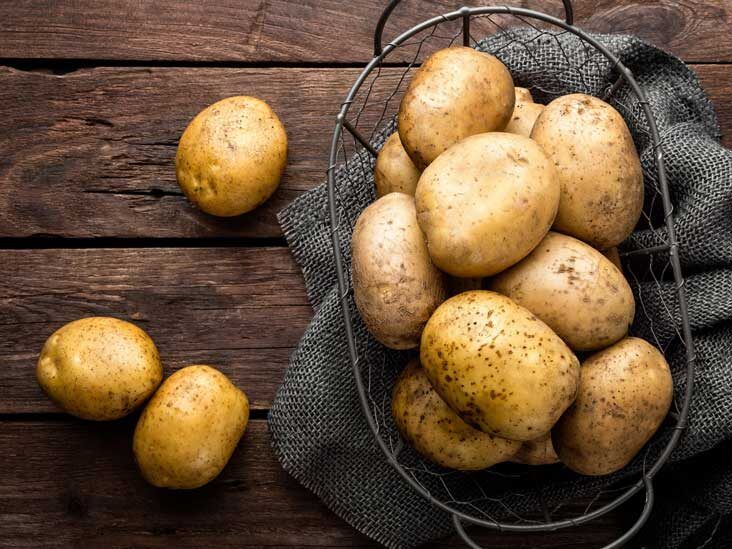
Potatoes are a beloved food, offering a variety of ways to cook and enjoy them. From mashed potatoes to fries, they are a staple in many dishes. One common question when preparing potatoes, particularly when making fries or roasted potatoes, is whether soaking raw potatoes in water before cooking causes them to lose nutrients. While soaking can offer some benefits in terms of texture and taste, it’s important to understand the science behind it and how it affects the nutritional content of the potatoes. When considering whether do raw potatoes lose nutrients when soaked, it’s important to note that while some vitamin C and potassium may leach into the water, the impact is minimal if the soaking time is kept short and the skin is left on.
Why Soak Raw Potatoes?
Soaking raw potatoes before cooking can serve multiple purposes, depending on the cooking method. One primary reason for soaking is to remove excess starch from the potato. Potatoes are naturally high in starch, which can make them sticky and prevent them from crisping up when fried or roasted. Soaking helps to reduce this starch, resulting in a crisper texture, especially when making dishes like french fries or roasted potatoes.
Additionally, soaking potatoes can help reduce the formation of acrylamide, a compound that forms when starchy foods are cooked at high temperatures. Acrylamide has been a subject of concern due to its potential health risks, but soaking potatoes before cooking can help minimize its formation, making the process safer for those concerned about this compound.
Nutrient Loss From Soaking Potatoes
When you soak raw potatoes, it’s natural to wonder whether any of the nutrients are lost in the process. Vitamin C, potassium, and B vitamins are among the vitamins and minerals that are abundant in potatoes. However, soaking potatoes in water can cause some nutrient loss, particularly when the water is discarded afterward.
Potatoes, especially when peeled, contain most of their vitamin C in the skin and outer layers. Soaking can cause a slight leaching of vitamin C into the water. However, this nutrient loss is minimal if the soaking period is short. The longer potatoes are soaked the greater the potential for nutrients, especially water-soluble vitamins, to be lost. But if the skin is left on the potato during soaking, most of the nutrients will remain intact.
Another important mineral that helps control blood pressure and preserve healthy muscle and nerve function, potassium, is also partially eliminated when potatoes are soaked. Potassium is water-soluble, so it can leach out into the soaking water. However, since the loss of potassium is usually not significant unless potatoes are soaked for long periods or in large amounts of water, this shouldn’t be a major concern for most people.
The Role Of Cooking Time In Nutrient Retention
The way potatoes are cooked after soaking also plays a role in nutrient retention. Boiling potatoes, for example, can result in more nutrient loss than roasting or baking, since the potatoes are submerged in water, which leaches out vitamins and minerals. Instead of boiling potatoes, think about steaming them if you are worried about nutrient loss. Steaming preserves more nutrients because the potatoes are not directly exposed to water.
Roasting and baking potatoes, especially with the skin on, tend to preserve more nutrients than boiling because the potato isn’t sitting in water. When baking or roasting, the natural nutrients, particularly those in the skin, are better preserved. If you soak potatoes before roasting or frying, the nutrient loss will still be minimal, as long as the soaking time is short and the skin remains intact.
Maximizing Nutrient Retention
- Leave The Skin On: The skin of potatoes contains many of the nutrients, particularly fiber, vitamins, and minerals. Soaking potatoes with the skin on will help retain more of their nutritional value.
- Limit Soaking Time: Soak potatoes for no longer than 30 minutes to prevent excessive nutrient leaching. If you need to soak them longer, keep them in the refrigerator.
- Use Minimal Water: Use just enough water to cover the potatoes. The less water you use, the less nutrients will leach out.
- Reuse The Soaking Water: If you’re concerned about nutrient loss, consider using the soaking water in soups or stews, so you don’t lose the nutrients that have been leached out.
Conclusion
Soaking raw potatoes does cause some nutrient loss, but the impact is relatively minimal if the soaking time is short and the skin remains intact. While certain nutrients, such as vitamin C and potassium, can leach into the water, they are not completely lost if proper soaking techniques are followed. The benefits of soaking, such as reducing starch content for crisper potatoes and minimizing acrylamide formation.
