

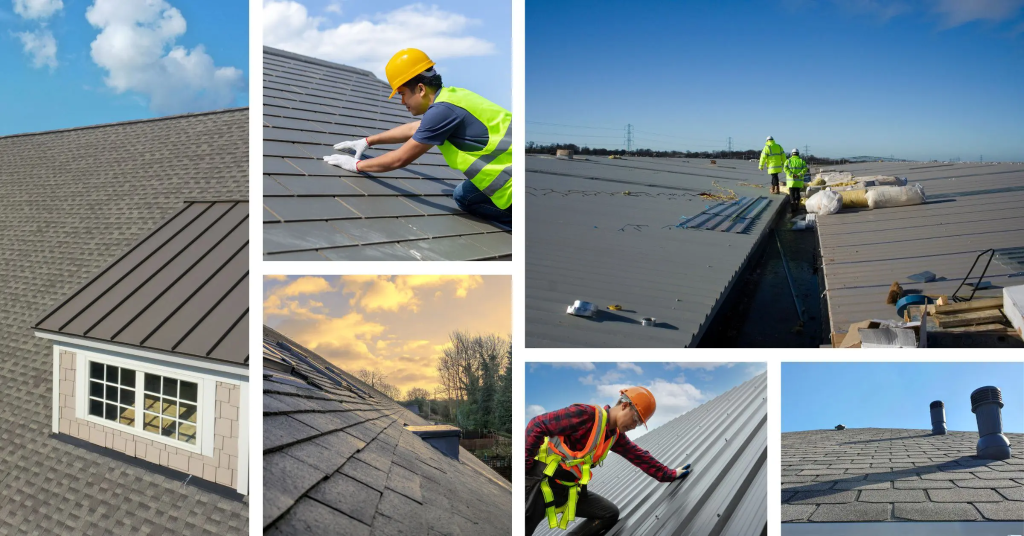
Most homeowners do not spend much time thinking about their roof until there is a visible leak, a stain on the ceiling, or shingles on the ground after a storm. By then, what could have been a simple repair often becomes a larger, more expensive project. That is why annual roof inspections deserve more attention than they usually get.
A roof is not just a layer of shingles sitting on top of a house. It is part of a full protective system that helps manage water, airflow, insulation performance, and long-term structural durability. When that system is checked regularly, small issues are easier to catch, easier to explain, and usually easier to fix.
Small Problems Rarely Stay Small
One of the biggest misconceptions homeowners have is that roof damage always announces itself in obvious ways. In reality, many roofing issues begin quietly. A lifted shingle, a worn flashing detail, or a clogged drainage path may not create immediate symptoms inside the home. But over time, those seemingly minor issues can allow moisture to travel where it should not.
That is what makes routine inspections so valuable. They help identify early warning signs before they turn into interior damage, mold concerns, insulation problems, or wood rot. Waiting until there is an active leak usually means the problem has already moved beyond the roof surface.
A well-timed inspection can help uncover issues such as:
- Missing, cracked, or curling shingles
- Loose flashing around vents, chimneys, or valleys
- Soft spots caused by trapped moisture
- Gutter drainage problems that affect the roofline
- Signs of aging that may shorten the roof’s lifespan
Homeowners often save money not because inspections eliminate every repair, but because they shift repairs from emergency mode to planned maintenance.
Your Roof Affects More Than Rain Protection
It is easy to think of roofing as a single-purpose feature, but a roof influences more parts of the home than many people realize. It plays a major role in ventilation, attic conditions, energy efficiency, and moisture control. If one area underperforms, the effects can show up in places that do not seem directly connected.
For example, poor roof ventilation can contribute to heat buildup in warmer months and trapped moisture during cooler periods. Damaged roofing components can also allow water to enter slowly, affecting insulation and making climate control less efficient. In many homes, rising utility costs, musty attic odors, and uneven indoor temperatures may be linked to roofing problems that have gone unnoticed.
This broader impact is one reason annual inspections are not just about preventing leaks. They are about protecting the home as a whole.
The Best Time to Inspect Is Before You Think You Need It
A lot of homeowners schedule a roof inspection only after severe weather or when selling a property. Those are both smart times to do it, but they should not be the only times. Preventive inspections work best when they happen on a regular schedule.
A practical approach is to have the roof inspected once a year, plus any time the home has experienced a major storm, falling tree limbs, unusually strong wind, or visible drainage issues. A steady maintenance rhythm gives homeowners a clearer picture of how the roof is aging and whether any repairs are becoming more urgent.
It also makes budgeting easier. When a roofer can point to wear patterns over time, homeowners are in a better position to decide whether they need a minor repair, a maintenance plan, or to begin preparing for a future replacement.
What Homeowners Should Look for Between Professional Visits
Even with professional inspections, homeowners can do a lot by paying attention to a few visible signs throughout the year. You do not need to climb on the roof to be proactive. In fact, it is usually safer and more effective to inspect from the ground and then call a professional if something looks off.
Here are a few smart habits that can make a difference:
- Check for shingles or roofing debris after storms.
- Look for stains on ceilings or upper walls.
- Watch for sagging gutters or overflowing water during rain.
- Notice any sudden spike in attic heat or humidity.
- Look for discoloration, streaking, or uneven roof lines from the yard.
These observations will not replace a professional evaluation, but they can help catch problems sooner and make an inspection more productive.
Why Experience and Process Matter in Roofing
Not all roofing work is the same, and not all inspections are equally thorough. Homeowners benefit most when they work with contractors who take a systems-based view of the home’s exterior rather than focusing on a single visible issue. A quality inspection should consider roofing materials, flashing details, drainage, nearby exterior elements, and how those components work together.
That is especially important when roofing issues overlap with gutters, siding, trim, or exterior painting. Water rarely respects trade categories. A problem that appears to be roofing-related may also involve drainage or an exterior detail that has failed over time.
When homeowners want a better sense of what that full-picture approach looks like, idealroofingandexteriors.com offers helpful context around roofing and exterior services that are designed to protect the home as a complete system rather than as isolated parts.
Prevention Gives Homeowners More Control
One of the most frustrating parts of homeownership is being forced into major decisions under pressure. A leak during a storm, unexpected interior damage, or a last-minute insurance concern can quickly turn a manageable issue into a stressful one. Annual inspections reduce that pressure by replacing surprise with visibility.
Instead of reacting to damage, homeowners can make informed decisions based on timing, budget, and actual roof condition. That sense of control matters. It helps people protect one of their biggest investments without waiting for a crisis to dictate the next step.
Conclusion
Annual roof inspections are not just another box to check on a home maintenance list. They are one of the simplest ways to stay ahead of costly repairs, preserve the condition of the home, and make smarter long-term decisions. A roof that is inspected regularly is far less likely to create expensive surprises.
For homeowners who want to be proactive, the goal is not to obsess over every shingle. It is to recognize that prevention works best when it is consistent. A small investment in routine attention today can help avoid much larger problems tomorrow.
