

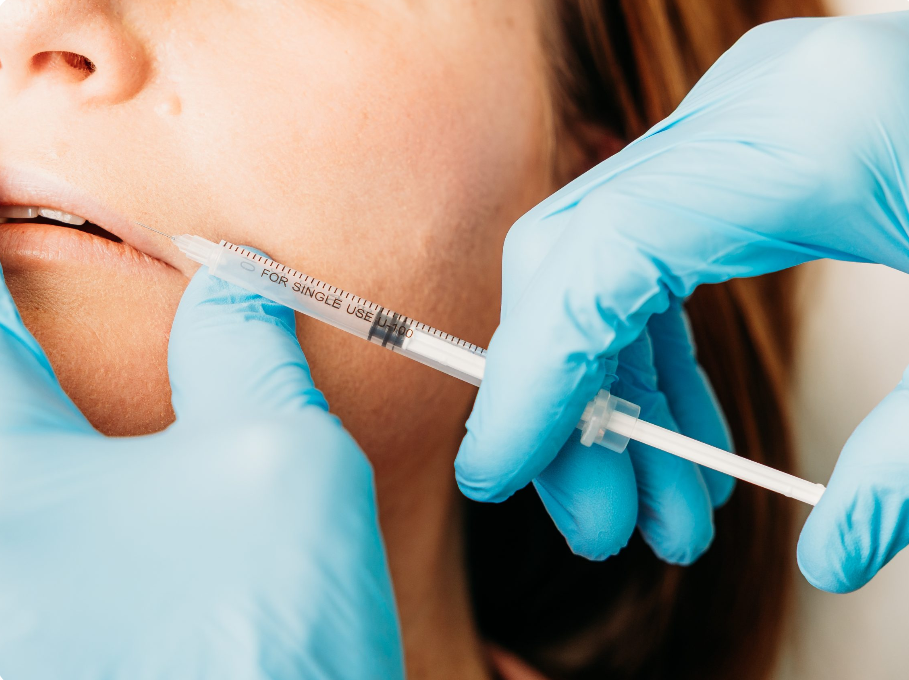
Over the past few years, microneedling has gone from a niche clinic procedure to one of the most talked-about treatments in skin care. Google searches for the treatment have grown steadily year on year, and clinics across the UK report it as one of their most requested services. But what is it, does it actually work, and is it right for you?
What Is Microneedling?
Microneedling is a minimally invasive skin treatment that uses a device fitted with very fine needles to create tiny punctures in the surface of the skin. These micro-injuries are too small to cause any real damage, but they are big enough to trigger the skin’s natural repair process. In response, the body produces more collagen and elastin, two proteins that keep skin firm, smooth, and youthful.
The treatment is used to address a wide range of concerns, including fine lines, wrinkles, acne scarring, uneven skin tone, enlarged pores, and dull texture. It can be carried out on the face, neck, and even the scalp for hair loss support.
How Does a Session Work?
A topical numbing cream is usually applied to the skin before the procedure begins, which makes the treatment comfortable for most people. The clinician then passes a microneedling device over the treatment area in a controlled pattern. Sessions typically last between 30 and 60 minutes depending on the area being treated.
After the treatment, the skin may appear red and feel warm, similar to mild sunburn. This usually settles within 24 to 48 hours. Most people are able to return to their normal routine quickly, which is one of the reasons the treatment has become so popular.
Does It Actually Work?
The evidence behind microneedling is strong. Multiple clinical studies have found it to be effective for improving skin texture, reducing the appearance of scars, and stimulating collagen production. Results are not instant. Because the treatment works by encouraging the skin to rebuild itself from within, improvements develop gradually over several weeks. Most practitioners recommend a course of three to six sessions spaced around four weeks apart for the best outcome.
What makes microneedling particularly versatile is that it can be combined with other ingredients and technologies. Many clinics now use it alongside hyaluronic acid serums, mesotherapy cocktails, or regenerative treatments such as exosomes to enhance the results further. For those exploring skin aesthetics more broadly, microneedling often forms part of a wider treatment plan tailored to the individual’s skin type and goals.
Is It Safe?
When carried out by a trained and qualified professional, microneedling is considered a safe procedure with a low risk of complications. The key word here is professional. The rise in at-home microneedling rollers has led to an increase in skin damage caused by incorrect technique, unsterile equipment, and inappropriate needle depths.
Clinic-grade devices use medical-quality needle cartridges, precise depth settings, and safety features to protect the skin. Professional oversight also means that conditions like active acne, rosacea, or certain skin sensitivities can be identified beforehand, helping to avoid adverse reactions.
Who Is It Suitable For?
One of the advantages of microneedling is that it is suitable for most skin types, including darker skin tones that may not respond as well to some laser-based alternatives. It is not recommended for people with active infections, open wounds, or certain skin conditions, which is why a proper consultation before treatment is essential.
For anyone looking to improve their skin without surgery or significant downtime, microneedling is worth understanding properly. Seeking qualified skin aesthetics advice from a medically trained practitioner remains the safest starting point before committing to any treatment plan.
