

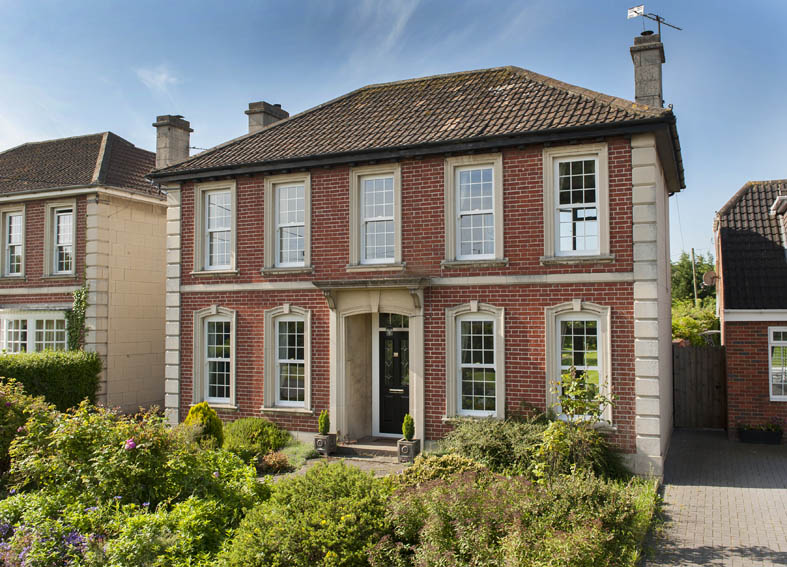
Introduction
The charm of listed buildings lies in their rich history, unique architectural features, and cultural significance. However, these properties also present challenges, particularly when it comes to energy efficiency and modern comfort. One effective solution that has gained popularity among homeowners and conservationists alike is double glazing. This blog post delves into the intricacies of double glazing options available for listed buildings while ensuring that their period charm is preserved.
Understanding Listed Buildings
Listed buildings are structures deemed of special architectural or historic interest, protected by law to preserve their character and integrity. In the UK, buildings are categorized into three grades:
1. Grade I: Exceptional interest (around 2.5% of listed buildings)
2. Grade II: Particularly important with more than special interest (about 5.5%)
3. Grade II: National importance and special interest (approximately 92%)
The regulations surrounding listed buildings can be strict, often requiring permission from local authorities before making alterations, including window replacements.
The Benefits of Double Glazing
Double glazing offers numerous advantages that are particularly beneficial for listed buildings:
1. Energy Efficiency: Double glazing significantly reduces heat loss, leading to lower energy bills and a reduced carbon footprint.
2. Noise Reduction: The two layers of glass provide better sound insulation, creating a quieter indoor environment.
3. Condensation Control: Double-glazed windows help mitigate condensation issues commonly found in older properties.
4. Increased Property Value: Modernization through double glazing can enhance property value while maintaining historical integrity.
By opting for double glazing solutions that respect the building’s aesthetic, homeowners can enjoy modern comforts without compromising on the historical value.
Challenges with Double Glazing in Listed Buildings
While double glazing presents many benefits, integrating it into listed buildings is not without challenges:
1. Regulatory Restrictions: Homeowners must navigate local conservation regulations that may restrict certain types of window installations.
2. Aesthetic Compatibility: Finding double glazing options that blend seamlessly with original features can be difficult.
3. Cost Implications: High-quality double glazing tailored for heritage properties typically comes at a premium price.
4. Installation Issues: Retrofitting double glazing into existing frames can be complicated and may require skilled professionals.
Understanding these challenges is essential for homeowners looking to enhance their listed properties while preserving their historic charm.
Types of Double Glazing Options
When considering double glazing for listed buildings, several options are available:
1. Secondary Glazing: This involves adding a second layer of glazing to existing windows, creating an air gap that reduces heat loss and noise without altering the exterior appearance.
2. Heritage Double Glazing: These units are crafted to mimic traditional single-pane windows while providing modern insulation properties. They often use slimline frames to maintain the original aesthetics.
3. Triple Glazing: Though less common for listed buildings due to thickness concerns, triple glazing offers superior insulation and noise reduction capabilities.
4. Custom Solutions: Companies like EKCO specialize in designing bespoke double glazing solutions tailored specifically for listed properties, ensuring minimal impact on visual integrity.
Each option presents unique advantages and should be considered based on specific requirements, budget constraints, and aesthetic preferences.
The Role of EKCO in Preserving Period Charm
EKCO stands out as a leader in providing innovative double glazing solutions tailored for heritage properties. Their commitment to preserving the architectural integrity of listed buildings is evident in their range of products designed to meet strict conservation guidelines.
EKCO’s heritage double glazing features slim profiles that replicate traditional designs while improving thermal performance significantly. By working closely with conservation officers, they ensure compliance with local regulations while offering modern solutions that do not detract from the building’s historical character.
Homeowners looking to maintain the charm of their period homes while benefiting from modern comforts can rely on EKCO’s expertise and quality craftsmanship.
Installation Considerations for Listed Buildings
Installing double glazing in listed buildings requires careful planning and consideration:
1. Consultation with Authorities: Always seek advice from local planning authorities regarding regulations and permissions required before installation.
2. Engage Skilled Professionals: Hire contractors experienced in working with listed buildings to ensure that installation methods preserve structural integrity and aesthetics.
3. Material Selection: Choose materials that resemble original frames in color and texture to minimize visual disruption.
4. Preservation Techniques: Utilize techniques such as draught-proofing alongside installation to enhance energy efficiency without significant alterations.
5. Documentation: Keeping detailed records of all communications and approvals can assist in future renovations or sales processes.
These steps help ensure a smooth installation process while maintaining compliance with conservation guidelines.
Maintenance of Double Glazed Windows
Maintaining double glazed windows in listed buildings is crucial for longevity:
1. Regular Inspections: Conduct periodic checks for signs of wear or damage, such as condensation between panes or frame decay.
2. Cleaning Techniques: Use soft cloths and appropriate cleaning solutions to avoid scratching glass surfaces or damaging frames.
3. Weatherstripping Replacement: Replace worn weatherstripping promptly to maintain thermal efficiency and prevent drafts.
4. Professional Servicing: Engage professionals for maintenance work involving complex repairs or adjustments to ensure proper handling.
Proper maintenance not only prolongs the life of double glazed windows but also preserves the overall integrity of the building.
Case Studies: Successful Implementations
Several successful case studies illustrate how homeowners have effectively integrated double glazing into listed properties:
1. A Georgian townhouse in London underwent extensive renovations where EKCO provided custom heritage double glazing that preserved its original sash windows while enhancing energy efficiency by over thirty percent.
2. A Victorian cottage in Bath opted for secondary glazing as it allowed homeowners to retain their original windows intact while achieving a significant reduction in noise pollution from nearby traffic.
These examples highlight how tailored solutions can meet both aesthetic desires and practical needs without compromising the building’s character.
Future Trends in Double Glazing for Heritage Properties
As technology continues to evolve, trends in double glazing for heritage properties are shifting towards more sustainable solutions:
1. Smart Glass Technology: Innovations like electrochromic glass allow users to adjust transparency based on light conditions while providing insulation benefits.
2. Eco-Friendly Materials: An increasing focus on sustainability is leading manufacturers to develop environmentally friendly materials suitable for double-glazed units.
3. Integration with Smart Home Systems: Future advancements may include integrating double-glazed windows with smart home technologies for enhanced energy management.
These trends present exciting opportunities for homeowners looking to combine modern living comforts with the timeless appeal of their period homes.
In conclusion, preserving the period charm of listed buildings through thoughtful integration of double glazing options not only enhances comfort but also contributes positively to energy efficiency and property value. Homeowners should approach this endeavor with care, seeking expert guidance from reputable companies like EKCO who understand the delicate balance between modernization and preservation.
