

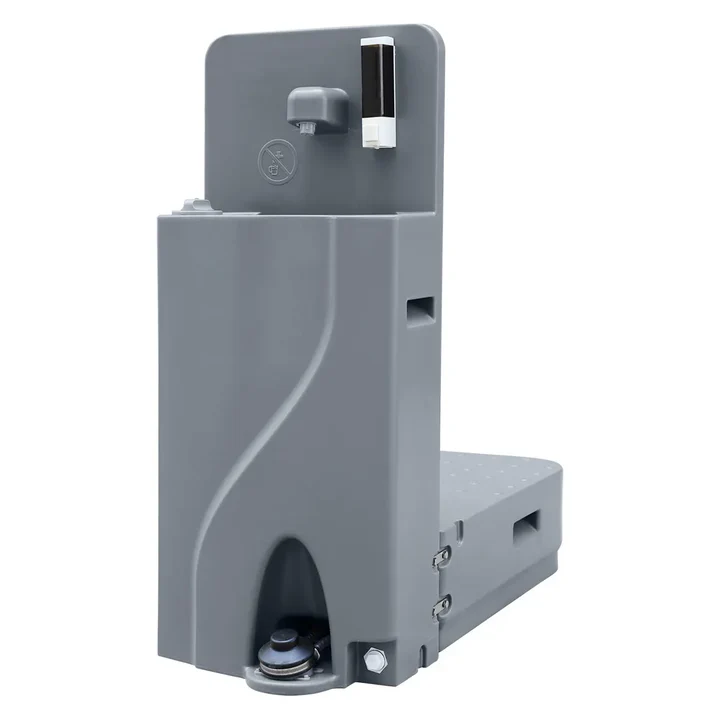
Maintaining hand hygiene is a critical, non-negotiable element of workplace health and safety, vital for preventing the spread of contaminants and foodborne illness. In outdoor industrial yards, construction sites, agricultural operations, and remote work camps, access to permanent, plumbed wash facilities is often limited or non-existent. This gap poses a direct risk to worker health and can result in non-compliance with occupational safety regulations. A self-contained Portable Handwash Station provides a practical and compliant solution by delivering essential handwashing capability directly to the point of work, independent of fixed infrastructure.
Technical Overview and Self-Contained Operation
This equipment is a freestanding, mobile unit that integrates a clean water supply tank, a wastewater collection tank, a manual or foot-operated pump, and soap dispensers into a single cabinet. It operates without any connection to plumbing, using a hand lever or foot pedal to dispense water, which promotes a hands-free washing process to minimize cross-contamination.
Core Applications Across Industrial and Logistical Sectors
These stations are indispensable in environments lacking permanent facilities:
- Construction, Demolition, and Renovation Sites: For workers handling building materials, dust, and debris, and for use alongside portable toilets.
- Agriculture, Horticulture, and Landscaping Operations: For staff handling soil, plants, pesticides, or fertilizers.
- Remote Resource Extraction Sites (Mining, Forestry): As a fundamental component of temporary camp hygiene infrastructure.
- Large Outdoor Warehouse Yards and Loading Docks: To provide convenient hygiene for outdoor crews without requiring entry into main buildings.
- Public Events, Emergency Response Sites, and Temporary Work Locations.
The Importance of Regulatory Adherence and Workforce Well-being
Canadian occupational health and safety legislation explicitly mandates that employers provide adequate washing facilities for workers. Failure to meet this standard can lead to fines, work stoppages, and increased liability. Beyond mere compliance, promoting effective hand hygiene directly reduces the incidence of work-related illnesses, minimizes the transfer of hazardous substances (like oils or chemicals) from hands to the face or food, and demonstrates a tangible commitment to employee welfare, which can improve morale and reduce absenteeism.
Technical Fundamentals and Operational Capacity Planning
Effective deployment requires matching the station’s specifications to the expected user demand and site conditions.
- Freshwater Tank Capacity: An 18-gallon (66L) tank determines the number of handwashes possible before refilling is necessary. This must be planned relative to the number of users and frequency of use.
- Wastewater Tank Capacity: A 16-gallon (60L) grey water tank collects used water and soap. It must be emptied regularly by a certified service or in accordance with local environmental disposal regulations.
- Pump Mechanism: Foot-operated pumps are preferred for hands-free operation. The pump must be durable enough for frequent use in all weather conditions.
- Soap and Drying Provision: Integrated soap dispensers and a method for hand drying (paper towel holder with waste bin or air dryer) are essential for completing the hygiene process.
- Mobility and Stability: Sturdy wheels and a locking mechanism allow for strategic placement and prevent unintended movement during use.
Factors Affecting Hygiene Efficacy and System Longevity
The station’s effectiveness depends entirely on consistent and proactive management. The freshwater tank must be kept filled with potable water. Soap and paper towel supplies require daily monitoring and replenishment. In the Canadian climate, a critical factor is winterization; water in the tanks, pump, and lines must be protected from freezing to prevent irreparable damage. This may involve adding potable water antifreeze, insulating the unit, or implementing a heated storage protocol. Regular cleaning of the sink basin and surrounding surfaces is necessary to maintain sanitary conditions.
Safety Considerations and Mandatory Operational Protocols
While promoting hygiene, the station itself must be managed with specific safety and operational protocols.
- Position the station on stable, level ground to prevent tipping.
- Establish and enforce a clear service schedule for refilling water, restocking soap and towels, and pumping out the grey water tank.
- For winter operation, implement a certified freeze protection plan using appropriate glycol solutions or relocate the unit to a climate-controlled area when not in use.
- Use only biodegradable soaps approved for portable sanitation systems to facilitate responsible grey water disposal.
- Ensure the area around the Handwash Station is well-lit, kept clean, and free of ice in winter to prevent slip and trip hazards.
Equipment Types and System Components
The primary unit is the portable station. Variations include single or multi-user designs, different tank capacities, heated water options, and enclosures for cold weather. Core components are the cabinet, freshwater tank with pump, wastewater tank, sink basin, and accessory holders for soap and towels.
Advantages and Practical Limitations
A balanced evaluation ensures the station meets the specific needs of the worksite.
- Advantages: Provides essential, compliant hygiene where permanent plumbing is absent. Supports worker health and reduces contamination risks. Highly mobile and easy to deploy. Self-contained and simple for users to operate.
- Limitations: Requires active management for refilling, waste pumping, and cold-weather protection. Has a finite capacity between service intervals. Represents an ongoing operational cost for supplies and waste disposal. The plastic components can be susceptible to damage if misused.
Real-World Application Scenario
A utility contractor is performing seasonal maintenance on electrical substations in remote locations. Crews are handling equipment and working in soils. The sites have no buildings or running water. The contractor deploys a single-person portable handwash station at each location. This allows crew members to thoroughly clean their hands before breaks and after work, ensuring they meet hygiene standards, reduce the risk of ingesting contaminants, and comply with safety regulations, all without the need for complex temporary plumbing.
Conclusion and Industry Outlook
For site supervisors, facility managers, and safety officers, a portable handwash station is a fundamental component of a responsible and compliant worksite, particularly in remote or temporary locations. Its value is measured not just in regulatory adherence, but in the direct protection of workforce health. The industry trend is toward more robust designs with integrated water heating for colder regions, larger tank capacities for reduced servicing frequency, and units constructed from easier-to-clean, more durable materials. Incorporating these stations into a comprehensive site safety plan, backed by a reliable service and maintenance routine, is a clear demonstration of proactive and professional health and safety management in any industrial or logistical operation.
