

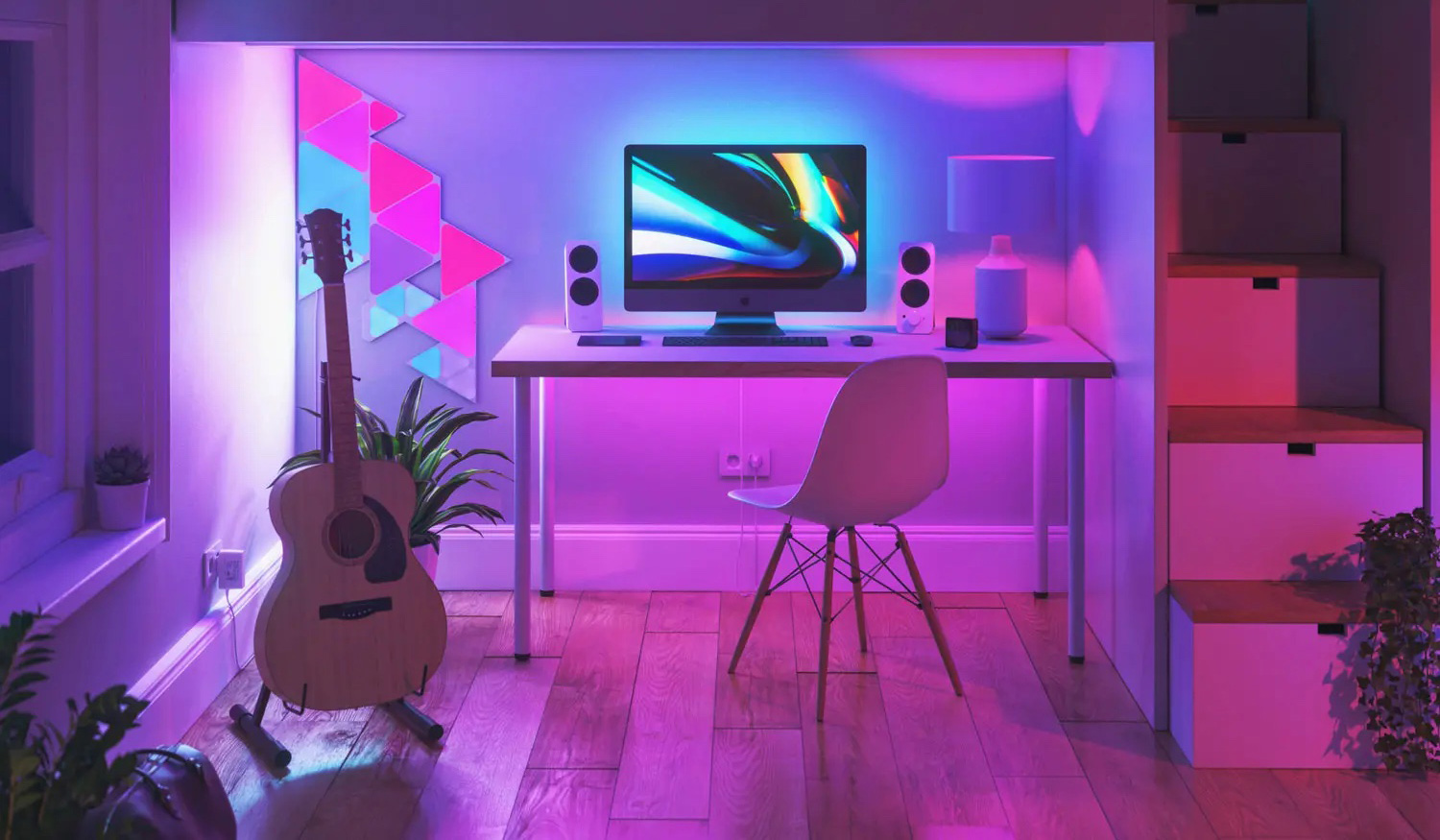
Advancements in Home Lighting
The evolution of home lighting has taken a significant leap forward with the advent of smart lights. This revolutionary technology has transformed the way we interact with the environment of our homes, allowing for greater flexibility, convenience, and energy efficiency. In this article, we explore how smart lights are brightening homes across the globe and why they are considered an essential element of modern home automation.
What are Smart Lights?
Smart lights are advanced lighting solutions that allow users to control illumination through digital interfaces. They connect to home networks, enabling control via smartphones, tablets, or voice-activated devices. These intelligent systems provide an array of features, such as setting schedules, colour change, dimming capabilities, and integrating with other smart home devices.
Installation and Compatibility
One of the key benefits of smart lighting is its ease of installation. Most smart lights are designed to fit into existing fixtures and operate on standard electrical systems, making the transition to smart lighting relatively seamless for most homeowners. Furthermore, they are compatible with various smart home ecosystems, ensuring they can be effortlessly integrated into your current home automation setup.
Enhancing Energy Efficiency
Smart lights are at the forefront of energy-saving technologies. With features like automated schedules and motion sensors, they ensure that lights are on only when needed, significantly reducing wasted energy. The ability to adjust brightness also contributes to lowered energy consumption, helping to decrease electricity bills while still providing ample lighting.
Personalising Your Home Environment
The customisation options available with smart lights are virtually endless. You can choose from millions of colours to set the perfect mood for any occasion. Whether you’re hosting a dinner party or just relaxing at home, smart lighting can enhance the atmosphere to suit your needs. Personalised scenes and sequences bring a dynamic element to your home’s ambience.
The Convenience of Remote Control
Smart lights offer the ultimate convenience of remote control. Whether you’re at home or away, you can easily manage your lighting through your connected devices. This feature is not only convenient but also enhances home security by allowing you to create the appearance that someone is home, even when you’re on holiday.
Voice Activation and Smart Home Integration
Voice control is a distinguishing feature of smart lights, adding to their accessibility and user-friendliness. Integration with voice assistants like Amazon Alexa, Google Assistant, or Apple HomeKit enables you to control lights with simple commands, making the switching on or off of lights effortless and hands-free.
Setting the Scene with Schedules and Automations
Schedules and automation take smart lighting to new heights of functionality. Wake up to a gentle sunrise simulation or return to a well-lit home after work without touching a switch. Automation also allows lights to respond to other smart devices, such as dimming when the TV is turned on for a movie night.
Smart Bulbs vs. Smart Switches
When considering upgrading to smart lights, options include smart bulbs and smart switches. Smart bulbs replace traditional bulbs and provide a range of colours and temperature settings, while smart switches can control multiple bulbs at once and often support existing light fittings. Each has unique benefits, so the choice depends on individual needs and preferences.
Costs and Savings
While smart lights may come at a higher upfront cost compared to traditional bulbs, the long-term savings in energy costs often justify the investment. Additionally, their durability means they need to be replaced less frequently, saving money and reducing household waste over time.
Security and Safety Features
Beyond the convenience and aesthetic benefits, smart lights contribute to home security. Illumination patterns can be set to mimic occupancy, deterring potential intruders. Moreover, in the event of an emergency, smart lights can be programmed to flash or change colour to alert occupants.
Choosing the Right Smart Lights for Your Home
Selecting the appropriate smart lights is paramount. Factors to consider include compatibility with existing fixtures, the desired control ecosystem, brightness levels, and whether you prefer RGB colour changing capabilities or simple white lights. It’s essential to assess your needs and research the options available to make an informed decision.
Installation and Setup
The process of installing smart lights is typically straightforward. Many systems provide user-friendly apps that guide you through the setup process, helping you to connect your lights to your Wi-Fi network and configure them according to your preferences. Nonetheless, it’s important to follow the manufacturer’s instructions carefully to ensure optimal functionality.
The Future of Home Lighting
The future of home lighting undoubtedly lies with smart technologies. Improvements in artificial intelligence and the Internet of Things (IoT) promise even more seamless and intuitive control over home lighting systems. As smart lights continue to evolve, they will likely become an even more integral part of home automation, offering greater customisation, efficiency, and innovation in how we illuminate our living spaces.
Conclusion
In summary, smart lights represent a significant advancement in modern home automation, providing users with enhanced control, energy savings, and security features. They have revolutionised how homeowners experience and interact with their environment, and are integral to creating a modern, efficient, and personalised home. By embracing smart lighting, homeowners are illuminating their living spaces in innovative ways that were unimaginable just a few decades ago. As technology progresses, smart lights will continue to shine brighter in the world of home automation.
