

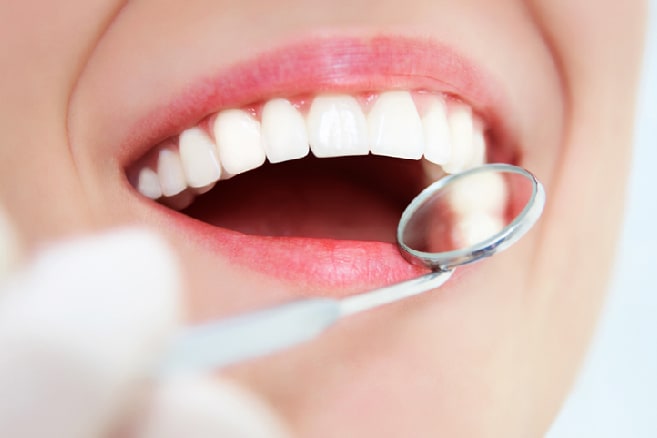
A radiant smile not only lights up a room but also reflects your health. Strong teeth are key for chewing, clear speech, and confidence. Cavities, a common issue for all ages, can threaten dental health. The good news? Preventing cavities is completely achievable with the right habits.
Understanding Cavities
Before we jump into prevention, what are cavities? Cavities, or dental caries, are permanently damaged areas in the enamel (the protective outer layer of your teeth) caused by a buildup of plaque. Plaque is a sticky film of bacteria, food debris, and saliva. When you consume sugary or starchy foods, these bacteria produce acids that erode the enamel over time, leading to cavities.
Early Signs of Cavities
Identifying cavities early can save your smile and prevent more invasive treatments. Look out for:
- Tooth sensitivity to hot, cold, or sweet foods and drinks.
- Discomfort or pain in a specific tooth.
- Discoloration like black, brown, or white spots on your enamel.
- Visible holes in your tooth surface.
If you experience any of these signs, it’s time to consult your dentist.
Dietary Choices for Cavity Prevention
What you eat impacts your teeth just as much as it affects your overall health. Choosing a tooth-friendly diet can play a vital role in cavity prevention.
Foods That Promote Dental Health
- Cheese and Dairy Products: Dairy is rich in calcium and phosphate, which strengthen tooth enamel while promoting saliva production to flush out bacteria.
- Crunchy Fruits and Vegetables (like celery, carrots, and apples): Their fibrous nature stimulates saliva, acting as a natural cleaner for your teeth.
- Green Tea: It contains antioxidants that help kill harmful bacteria, reducing plaque buildup.
- Water (especially fluoridated water): Staying hydrated rinses away leftover food particles and reduces bacteria growth.
Foods to Avoid or Limit
- Sugary Drinks (soda, energy drinks, fruit juices): These are packed with sugar that bacteria feast on, producing harmful acids.
- Sticky Candies and Snacks (like caramel, gummies, and dried fruit): Their residue clings to teeth, making it easy for bacteria to thrive.
- Starchy Foods (like chips and bread): These break down into sugar and can lodge between teeth for prolonged periods.
Small dietary changes can make a big difference in cavity prevention!
A Winning Oral Hygiene Routine
A robust oral hygiene routine forms the backbone of cavity prevention. Following these simple practices diligently can help maintain strong, cavity-free teeth.
Step-by-Step Guide
- Brush Twice a Day
- Use a soft-bristled toothbrush and fluoridated toothpaste.
- Brush gently in circular motions for two minutes, covering every surface of your teeth.
- Replace your toothbrush every three to four months.
- Floss Daily
- Plaque loves to hide between your teeth where brushes can’t reach. Daily flossing removes food particles and bacteria from these hard-to-access areas.
- Rinse with Mouthwash
- An antibacterial mouthwash reduces bacteria and freshens breath. Look for alcohol-free options to avoid dryness.
- Don’t Forget Your Tongue
- Use a tongue scraper or your toothbrush to clean your tongue, where bacteria often accumulate.
Pro tip: Brushing after every meal isn’t always feasible, but rinsing with water can minimize plaque buildup throughout the day.
Lifestyle Factors and Dental Health
Your overall lifestyle can secretly affect your dental health. Stress and sleep play roles you might not expect.
The Impact of Stress
- Stress can trigger teeth grinding (bruxism), which wears down enamel over time. Stress also increases cortisol levels, which can contribute to inflammation in your gums.
- Incorporate stress-relief activities like yoga, meditation, or regular exercise to mitigate its effects on your teeth.
The Role of Sleep
- Poor sleep is tied to a weakened immune system, making you more susceptible to gum disease and other oral health issues.
- Aim for 7–8 hours of quality sleep every night and address sleep apnea or snoring issues that may result in dry mouth.
By taking care of your mental and physical well-being, you’ll also be protecting your pearly whites.
Don’t Skip Professional Dental Care
While proper at-home care is essential, professional dental visits are equally important in keeping cavities at bay.
Why Regular Dentist Visits Matter
- Preventive Cleaning: Professional cleanings remove tartar buildup that brushing and flossing can’t tackle.
- Early Detection: Dentists, like those in Santa Rosa, CA, can spot cavities in their earliest stages and recommend treatments like fluoride applications or sealants.
Schedule a dentist appointment every six months to stay ahead of potential problems.
Exploring Natural Remedies
For those who prefer natural approaches or complementary methods for cavity prevention, here are some options to consider.
- Oil Pulling: Swishing coconut or sesame oil in your mouth for 10–15 minutes may reduce bacteria and plaque.
- Clove Oil: Known for its antibacterial properties, clove oil can soothe minor toothaches and support gum health.
- Activated Charcoal (in toothpaste): Some believe it whitens teeth and removes toxins, although evidence is still limited.
It’s important to note that natural remedies should complement, not replace, your professional care and established dental hygiene practices.
Conclusion
Cavity-free living might sound challenging, but with the right habits and small lifestyle adjustments, it’s entirely achievable. Focus on a balanced diet, maintain a strong oral hygiene routine, manage your stress, and never skip out on those routine dental visits. Strong, healthy teeth are just a few steps away. Commit to these practices today and enjoy a lifetime of confident smiles.
