

As solar energy continues to gain ground among homeowners, off-grid users, and businesses, lithium batteries have emerged as the go-to solution for reliable energy storage. But how long do they actually last?
Understanding the lithium battery lifespan in solar systems is crucial when evaluating long-term performance and return on investment. This guide dives into the key factors that influence battery longevity, what users can expect, and how to get the most life out of their solar storage setup.
Understanding Lithium Battery Lifespan
The lifespan of a lithium battery in solar installations is typically measured in charge cycles, a full cycle being one complete discharge and recharge.
- Average cycle life for solar-optimized lithium batteries ranges from 2,000 to 5,000+ cycles, depending on the battery chemistry and how it’s used.
- Depth of Discharge (DoD) plays a big role: the more deeply a battery is discharged, the more wear it experiences. For instance, consistently using 90% of the battery’s capacity reduces its lifespan faster than only discharging 50%.
- There’s also a difference between cycle life and calendar life. Even if a battery isn’t used every day, it can degrade over time due to chemical aging, this is where calendar life comes in, typically ranging between 8 to 15 years.
Factors That Affect Battery Lifespan in Solar Installations
Several conditions determine how long your lithium battery will last in a real-world solar system:
- Usage patterns: An off-grid energy setup cycles batteries daily, while a hybrid grid-tied system may only use batteries during outages or peak-shaving, resulting in fewer cycles per year.
- Depth of discharge: Shallower discharge = longer life. Many lithium batteries are designed to comfortably discharge 80% or more, but staying closer to 50% DoD can significantly extend lifespan.
- Temperature: Both extreme heat and cold can reduce battery efficiency and lifespan. Batteries stored in poorly ventilated or unprotected outdoor environments degrade faster.
- Battery chemistry: LiFePO₄ (Lithium Iron Phosphate) batteries generally offer better thermal stability and a longer lifespan compared to other lithium-ion variants. For those interested in exploring the different battery types available for solar applications, EPEVER’s product overview provides a helpful starting point.
Installation Type and Its Impact on Longevity
Installation design isn’t just about space; it plays a role in thermal performance and battery health.
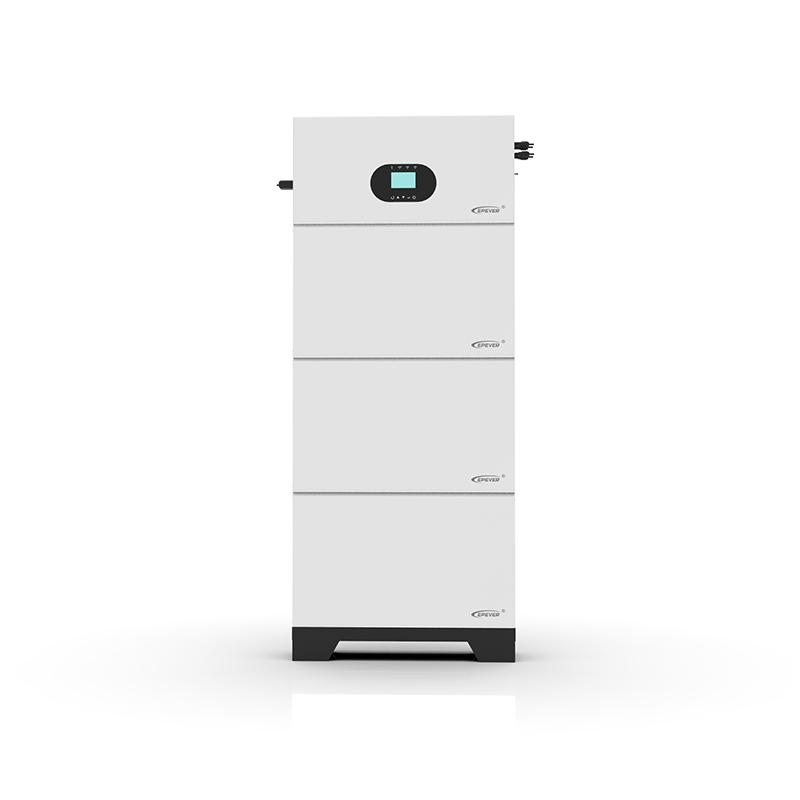
- Stack-mounted batteries are modular and often placed in enclosed spaces. While this saves room and improves scalability, proper airflow and heat management are critical.
- Wall-mounted batteries can provide better air circulation, especially in residential setups, helping maintain optimal operating temperatures.
Choosing the right energy storage system goes beyond just capacity, it also depends on how well the design handles environmental stress, especially when comparing stackable and wall-mounted configurations.
Role of Battery Management Systems (BMS)
A Battery Management System (BMS) is essential for maintaining the safety and performance of lithium batteries. By enabling communication with inverters and controllers via protocols such as RS485, CAN, or Bluetooth, a BMS helps regulate load conditions and prevent issues like overcharging or overheating.
In solar energy systems, a smart BMS enhances long-term reliability by providing real-time monitoring and diagnostics, but its function is more operational than installation-specific.
Tips to Extend Lithium Battery Life
To get the most out of your battery over time:
- Avoid deep discharges: Stick to a conservative depth of discharge when possible.
- Use a high-quality charge controller that aligns with the battery’s specs.
- Maintain moderate temperatures by installing batteries in shaded, ventilated areas.
- Update firmware and inspect batteries regularly for physical wear or system errors.
These habits can add years to your battery’s usable life.
Signs Your Battery Is Nearing End of Life
Eventually, every battery starts to show signs of wear. Here are some red flags:
- Reduced capacity: You’ll notice it doesn’t hold a charge as long as it used to.
- Inconsistent voltage output: Fluctuations during use may affect inverter performance.
- Longer charging times or excess heat during normal operation.
- Drop in peak power delivery: Your system may struggle to handle larger loads during high-use periods.
Monitoring these signs early can prevent sudden failures and help you plan replacements before a critical breakdown.
Conclusion
The lifespan of a lithium battery in solar installations depends on several interrelated factors: chemistry, usage patterns, installation conditions, and system integration.
To summarize:
- Expect between 2,000 to 5,000 cycles, depending on battery type and use.
- LiFePO4 batteries tend to last longer and perform more safely than standard lithium-ion types.
- Proper installation and use of BMS with communication support can greatly enhance durability.
For those considering long-term off-grid or hybrid solar systems, investing in a smart, durable battery setup with good thermal regulation and communication support is essential for maximizing lifespan and value.
If you’re building or upgrading your system, explore reliable energy storage systems and residential battery backup options that align with your energy goals.
