

Knee pain can quietly disrupt almost every part of daily life. From climbing stairs and walking to work to enjoying a weekend jog, even minor discomfort in the knee can affect mobility, confidence, and overall well-being. In Singapore, more people are seeking professional physiotherapy support to manage knee pain naturally and effectively without relying only on medication or surgery.
Whether the pain comes from sports injuries, arthritis, aging, or long hours of sitting and standing, the right treatment approach can help restore movement and improve quality of life. Many patients are now turning to Singapore Physiotherapy services because they offer targeted recovery plans designed around the root cause of the problem rather than temporary symptom relief.
Understanding how knee physiotherapy works can help you make informed decisions and take the first step toward walking pain-free again.
Why Knee Pain Is So Common in Singapore
Modern lifestyles play a major role in the growing number of knee-related problems. Office workers often sit for extended periods, while active individuals may overtrain or place repeated stress on the joints. In addition, Singapore’s aging population has contributed to a rise in arthritis and degenerative knee conditions.
Some of the most common causes of knee pain include:
- Ligament injuries
- Meniscus tears
- Osteoarthritis
- Patellar tracking problems
- Tendon inflammation
- Sports-related injuries
- Muscle weakness and imbalance
- Poor posture and movement habits
Ignoring these issues may lead to worsening pain, reduced mobility, and long-term complications. Early physiotherapy intervention can often prevent the condition from becoming more severe.
How Physiotherapy Supports Knee Recovery
Physiotherapy focuses on improving movement, reducing pain, and strengthening the body through evidence-based techniques. Unlike quick fixes that only mask discomfort, physiotherapy aims to address the underlying cause of knee pain.
A qualified physiotherapist usually begins with a detailed physical assessment to identify factors contributing to the condition. This may include evaluating:
- Joint movement
- Muscle strength
- Walking pattern
- Balance and coordination
- Previous injuries
- Daily activity habits
Once the assessment is complete, a customized treatment plan is created based on the individual’s needs and lifestyle.
The goal is not just pain reduction. Effective physiotherapy also improves flexibility, stability, and long-term joint function.
Manual Therapy for Pain Relief and Mobility
One of the most effective physiotherapy methods for knee pain is manual therapy. This hands-on treatment involves controlled movements performed by the physiotherapist to improve joint mobility and reduce stiffness.
Manual therapy may include:
- Soft tissue massage
- Joint mobilization
- Trigger point release
- Stretching techniques
These treatments help improve blood circulation, reduce muscle tension, and restore movement in restricted areas. Patients often notice improved comfort and flexibility after several sessions.
Manual therapy is especially useful for individuals dealing with chronic stiffness, sports injuries, or post-surgical recovery.
Strengthening Exercises That Protect the Knee
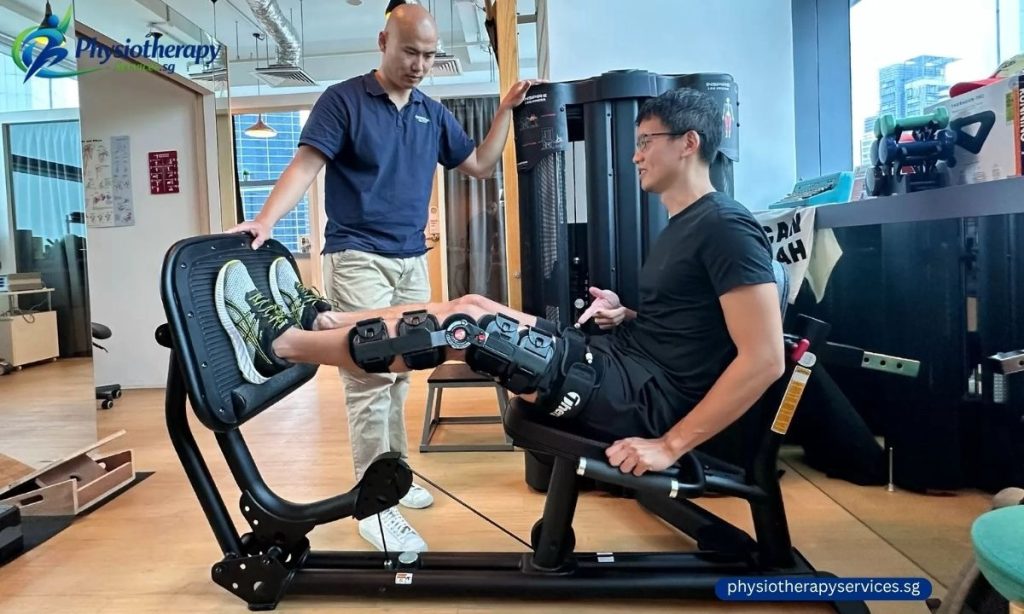
Weak muscles around the knee can increase pressure on the joint and worsen pain over time. Physiotherapy programs often include strengthening exercises designed to support the knee and improve stability.
Key muscle groups targeted during rehabilitation include:
- Quadriceps
- Hamstrings
- Glutes
- Calves
- Core muscles
Stronger muscles help absorb impact more effectively during walking, climbing stairs, and exercise. This reduces strain on the knee joint itself.
The exercises are usually introduced gradually based on the patient’s pain level and recovery stage. Physiotherapists also monitor movement patterns closely to ensure exercises are performed safely and correctly.
Sports Injury Rehabilitation in Singapore
Singapore has a growing fitness culture, with many people participating in running, football, tennis, gym training, and cycling. Unfortunately, knee injuries are common in both professional athletes and recreational sports enthusiasts.
Physiotherapy plays a major role in sports rehabilitation by helping injured individuals return to activity safely. Common sports-related knee conditions include:
- ACL injuries
- Runner’s knee
- Jumper’s knee
- Meniscus tears
- IT band syndrome
Sports physiotherapy focuses on restoring strength, flexibility, balance, and movement control. Rehabilitation programs are often tailored to the specific sport and physical demands of the individual.
For example, runners may receive gait correction exercises, while football players may focus on agility and knee stability training.
This personalized approach helps reduce the risk of reinjury while improving athletic performance.
Managing Knee Arthritis Without Surgery
Knee arthritis is one of the leading causes of chronic pain among older adults in Singapore. The condition occurs when cartilage within the joint gradually wears down, causing inflammation, stiffness, and discomfort.
Although arthritis cannot always be reversed, physiotherapy can significantly improve mobility and reduce pain naturally.
Treatment plans for arthritis often include:
- Gentle strengthening exercises
- Mobility training
- Balance improvement
- Stretching routines
- Low-impact movement therapy
Physiotherapists may also educate patients on posture correction and joint protection strategies for daily activities.
Many people who consistently follow their therapy program experience better walking ability and reduced reliance on pain medication.
Post-Surgery Knee Rehabilitation
Recovery after knee surgery requires proper rehabilitation to regain full movement and function. Physiotherapy is considered an essential part of post-operative care for procedures such as:
- ACL reconstruction
- Knee replacement surgery
- Meniscus repair
- Cartilage restoration surgery
Without proper rehabilitation, stiffness and muscle weakness may delay recovery and limit long-term results.
A structured physiotherapy program typically progresses through different stages, including:
Early Recovery Phase
During the initial stage, the focus is on controlling swelling, improving gentle movement, and reducing pain.
Strength Restoration Phase
Once healing improves, exercises are introduced to rebuild muscle strength and knee stability.
Functional Movement Phase
Patients gradually work on walking, stair climbing, balance, and returning to daily activities or sports.
Regular physiotherapy guidance ensures recovery remains safe and efficient throughout the rehabilitation journey.
The Role of Technology in Modern Physiotherapy
Many physiotherapy clinics in Singapore now incorporate modern technology to improve treatment outcomes and recovery speed.
Some advanced treatment methods include:
- Ultrasound therapy
- Electrical stimulation
- Shockwave therapy
- Motion analysis systems
- Laser therapy
These technologies can support healing by reducing inflammation, improving circulation, and enhancing muscle activation.
However, experienced physiotherapists understand that technology works best when combined with personalized exercise programs and hands-on treatment.
A balanced approach often delivers the best long-term results.
Lifestyle Habits That Support Knee Health
Physiotherapy sessions alone may not be enough if unhealthy movement habits continue. Patients are often encouraged to make simple lifestyle adjustments that protect the knees and support recovery.
Helpful habits include:
- Maintaining a healthy body weight
- Wearing supportive footwear
- Avoiding prolonged sitting
- Practicing proper exercise techniques
- Staying physically active
- Stretching regularly
Even small daily changes can reduce pressure on the knee joints and improve mobility over time.
Consistency plays a major role in long-term success.
Choosing the Right Physiotherapy Clinic in Singapore
Finding the right physiotherapist is important for achieving lasting improvement. A good clinic should focus on personalized care rather than using the same treatment for every patient.
When choosing a physiotherapy provider, consider factors such as:
- Experience with knee rehabilitation
- Professional qualifications
- Customized treatment plans
- Clear communication
- Positive patient feedback
- Modern treatment facilities
Many people searching for Singapore Physiotherapy services prefer clinics that take time to educate patients and explain the recovery process clearly.
Open communication helps patients stay motivated and committed throughout treatment.
When You Should Seek Professional Help
Some people ignore knee pain for months, hoping it will disappear naturally. Unfortunately, untreated knee problems may worsen over time and become more difficult to manage.
You should consider physiotherapy if you experience:
- Persistent knee pain
- Swelling or stiffness
- Difficulty walking
- Reduced range of motion
- Pain during exercise
- Knee instability
- Clicking or locking sensations
Early treatment often leads to faster recovery and better long-term results.
Delaying care may increase the risk of chronic pain or further joint damage.
Moving Toward a More Active and Comfortable Life
Living with knee pain can affect physical health, emotional well-being, and daily independence. The good news is that many knee conditions respond extremely well to physiotherapy when treated correctly and consistently.
From sports injury rehabilitation to arthritis management and post-surgical recovery, physiotherapy offers practical solutions that help people move more comfortably again. With personalized care, targeted exercises, and professional guidance, patients can rebuild strength, improve mobility, and regain confidence in their everyday activities.
Choosing professional Singapore Physiotherapy support can be a valuable step toward restoring movement and enjoying a healthier, more active lifestyle without constant knee discomfort.
Frequently Asked Questions
What causes knee pain?
Knee pain is usually caused by injury, overuse, arthritis, or weak muscles around the joint. A physiotherapist can find the exact cause and treat it properly.
Can physiotherapy cure knee pain?
Yes, in many cases physiotherapy can fully resolve knee pain. It strengthens the muscles, reduces inflammation, and restores normal movement.
How long does knee physiotherapy take?
It depends on how serious the condition is. Most people see clear improvement within 6 to 8 weeks of regular treatment.
Is knee physiotherapy safe for older adults?
Yes, it is very safe. Physiotherapists use gentle exercises and techniques that are suitable for all ages, including seniors.
Do I need surgery before starting knee physiotherapy?
No, you do not. Many patients recover fully from knee problems through physiotherapy alone, without needing any surgery.
What exercises help with knee pain?
Straight leg raises, quad sets, and gentle stretching are common exercises used. Your physiotherapist will give you a personalised exercise plan.
When should I see a physio for my knee?
If your knee pain lasts more than a few days, feels swollen, or stops you from walking normally, it is time to see a physiotherapist right away.
Conclusion
Knee pain can make even simple tasks like walking or climbing stairs feel difficult. But with the right physiotherapy treatment in Singapore, you can regain your strength and move pain-free again. You do not have to let knee pain control your daily life any longer.
The sooner you seek professional knee physiotherapy, the faster your recovery will be. A qualified Singapore physio will create a personalised plan to treat your knee and prevent future problems. Take that first step today and get back to living the active, pain-free life you deserve.
