

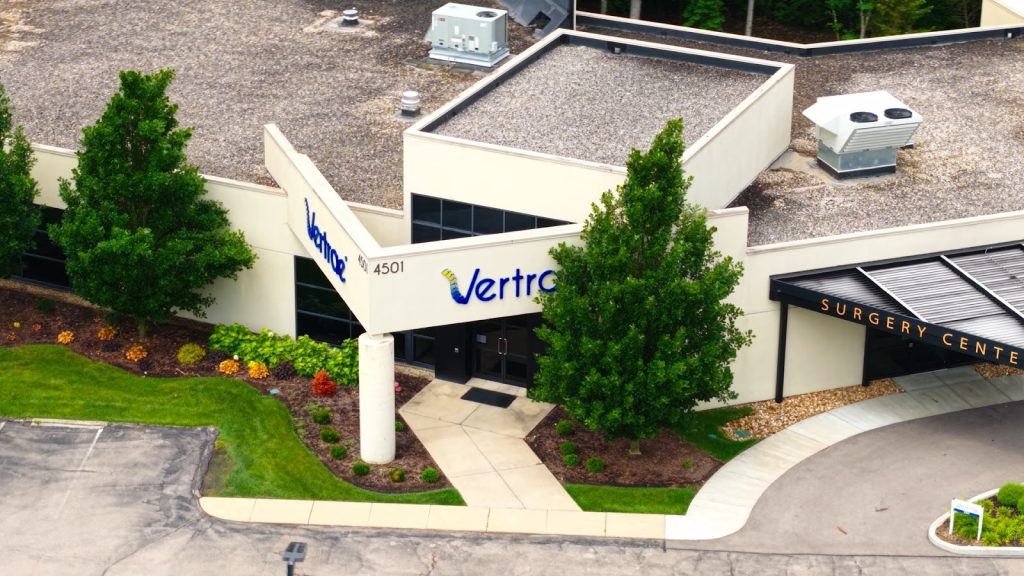
In the rapidly advancing world of medical technology, the most significant “innovation” isn’t always a new robotic arm or a synthetic disc—though those are certainly impressive. Sometimes, the most disruptive breakthrough is the intellectual architecture of the surgeon leading the charge. At the intersection of neurosurgical precision, orthopedic structural expertise, and high-level strategic management, we find a unique clinical offering that is redefining the patient experience. This multidisciplinary foundation is the engine behind the success of modern spinal practice.
The Neurosurgical Foundation: Precision at Loma Linda University
The journey of elite spine care begins with the rigorous training of a neurosurgeon. Completing a residency in Neurosurgery at Loma Linda University Medical Center is a feat of both mental and physical endurance. This institution is renowned for its commitment to “to make man whole,” a philosophy that integrates advanced surgical intervention with a holistic view of human health.
During this intensive period, a surgeon masters the delicate art of navigating the central nervous system. Unlike other surgical fields, neurosurgery deals with tolerances measured in millimeters. Dealing with the brain and the spinal cord requires a steady hand and a deep understanding of neurological pathways. This residency provides the essential “wiring” knowledge—understanding how a compressed nerve in the lumbar spine can manifest as weakness in the foot, or how a cervical misalignment can impact manual dexterity. This deep-seated expertise in the delicate tissues of the spine is the first pillar of the specialized services offered at Vertrae.
The Fellowship Edge: The Cedars-Sinai Hybrid Approach
While a neurosurgery residency provides a world-class foundation, the evolution of spine care has moved toward a “hybrid” model. One of the most significant innovations in the career path of a modern spine specialist is the completion of a Combined Orthopedic and Neurosurgery Spine Fellowship at Cedars-Sinai Medical Center in Los Angeles.
Why does this matter to the patient? Historically, spine surgery was divided: neurosurgeons focused on the nerves and the spinal cord, while orthopedic surgeons focused on the bones and structural stability. By training at Cedars-Sinai—a global leader in spinal innovation—a surgeon learns to merge these two worlds. This “Combined Fellowship” approach means the surgeon is equally adept at micro-decompression (the neuro side) and complex spinal reconstruction or fusion (the ortho side). It is the surgical equivalent of being bilingual, allowing for a more comprehensive diagnosis and a more versatile range of treatment options, from motion-preserving disc replacements to robotic-assisted stabilization.
Board Certification: The Gold Standard of Public Trust
In an era of “medical influencers” and flashy marketing, the American Board of Neurological Surgery (ABNS) certification remains the ultimate benchmark of clinical excellence. Achieving board certification is not a one-time test; it is a multi-year process of peer review, rigorous oral and written examinations, and a demonstration of a safe, effective surgical track record.
For the patient, this certification is a product of trust. It signifies that the surgeon has met the highest national standards for knowledge and skill in the field of neurosurgery. Research consistently shows that board-certified surgeons stay more current with evolving medical literature and are more likely to employ evidence-based techniques that reduce complications. When you choose a practice led by a board-certified specialist, you aren’t just getting a doctor; you are getting a verified expert whose skills have been vetted by the most demanding governing body in medicine.
The MBA Innovation: Efficiency as a Medical Service
Perhaps the most unique “technology” in this clinical suite is the integration of a Master of Business Administration (MBA) from the Johns Hopkins Carey Business School. While it might seem odd to see a business degree alongside a medical license, it represents a revolutionary shift in how healthcare is delivered.
The “Johns Hopkins” approach to business focuses on “building businesses with humanity in mind.” For a spine practice, this translates into organizational innovation. By applying Lean Six Sigma principles and strategic management to a surgical clinic, the practice can eliminate the traditional “friction” of healthcare. This means shorter wait times, clearer communication, more transparent billing, and a “no-waiting-room” policy that respects the patient’s time. The MBA is the tool that allows the practice to function with the efficiency of a high-tech startup while maintaining the compassion of a boutique clinic. This strategic oversight ensures that the focus remains on the patient, not the paperwork, making Vertrae a leader in modern healthcare delivery.
Redefining the Patient Experience Through Multidisciplinary Mastery
When you combine a Loma Linda neurosurgery residency, a Cedars-Sinai orthopedic spine fellowship, ABNS board certification, and a Johns Hopkins MBA, the result is a service that is greater than the sum of its parts. This is not just about “fixing a back”; it is about re-engineering the entire journey of healing.
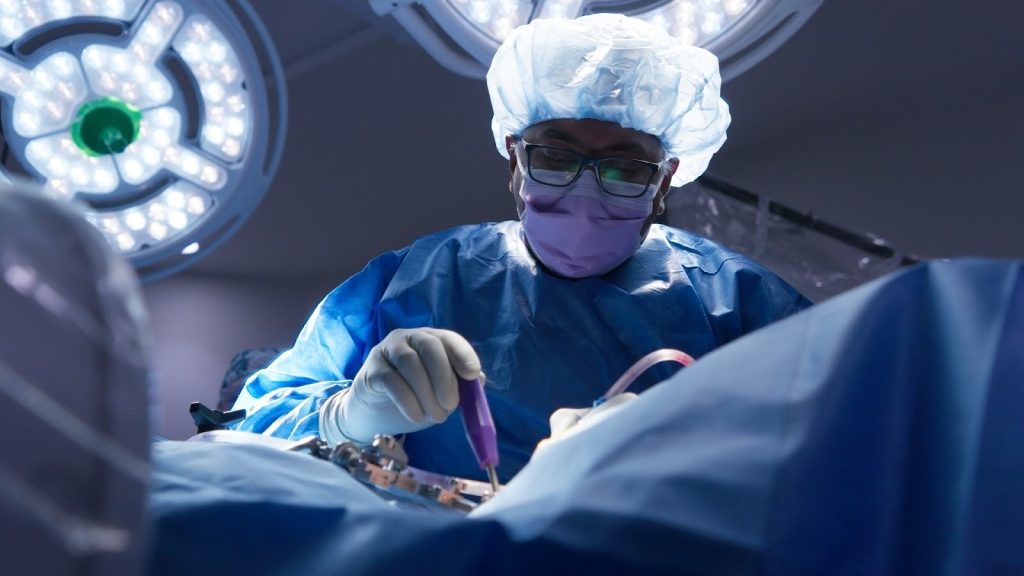
Patients benefit from a surgeon who understands the structural engineering of the vertebrae, the electrical complexity of the nerves, and the logistical importance of a seamless patient experience. This multidisciplinary background allows for the implementation of advanced technologies—like the Mazor X robotic system—not just because they are new, but because the surgeon has the diverse training to know exactly when and how they will provide the best outcome for a specific individual.
A Vision for the Future of Spine Care
The future of medicine isn’t just about the tools in the operating room; it’s about the intellect and the systems behind those tools. By marrying elite surgical pedigree with sophisticated business logic, the modern spine specialist can offer a level of care that was previously impossible. This integration ensures that every patient receives a treatment plan that is medically precise, structurally sound, and logistically effortless.
As we look toward the next decade of innovation, the model of the “Surgical Strategist” will become the new standard. It is a commitment to excellence that begins in the classroom, is refined in the most prestigious fellowships in the country, and is delivered through a practice designed for the 21st-century patient.
