

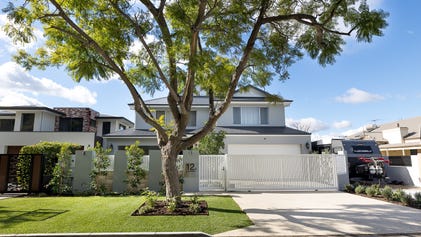
When it comes to real estate, trends may shift, markets may fluctuate, and buyer preferences may evolve, but one factor consistently shapes long-term property performance: location. It is often said that you can renovate a home, improve its design, or increase its functionality, but you cannot change where it sits. That simple truth explains why location remains one of the strongest indicators of property appreciation over time.
Why Location Matters More Than Ever
Location has always been central to property valuation, but its importance has become even more pronounced in modern markets. Buyers and investors are no longer assessing properties based solely on square footage or aesthetics. They are looking at lifestyle, convenience, infrastructure, and future growth potential.
A property located in a thriving area often experiences stronger appreciation because demand remains consistent. High-demand suburbs attract professionals, families, retirees, and investors, all of whom contribute to increased competition and rising prices. Even during economic downturns, well-located properties tend to retain value better than those in less desirable areas.
The surrounding environment directly influences buyer perception. Access to transport links, shopping precincts, healthcare facilities, and entertainment hubs creates ongoing demand. This demand forms the foundation of sustainable long-term capital growth.
Infrastructure Drives Property Appreciation
One of the strongest drivers of location-based growth is infrastructure development. New roads, train stations, business districts, and public amenities can significantly boost nearby property values over time.
Governments and private developers frequently invest in infrastructure to improve connectivity and support population growth. When an area becomes easier to access or more attractive to live in, property demand often rises. Investors who identify these developments early can benefit from substantial capital gains.
For example, suburbs undergoing regeneration often present excellent opportunities. Areas once considered secondary markets can transform into premium locations through strategic development. This is why experienced investors closely monitor urban planning and zoning changes before making purchasing decisions.
Markets such as Applecross real estate demonstrate how premium positioning combined with strong infrastructure can create consistent demand and long-term value growth.
Population Growth and Demand
Population growth plays a crucial role in property appreciation. Areas with rising populations typically experience increased housing demand, which places upward pressure on prices.
When more people move into a suburb or city, the need for housing expands. This creates competition among buyers and renters, particularly when supply remains limited. The result is often stronger rental yields and long-term capital growth.
Population growth is influenced by several factors, including employment opportunities, education access, and migration patterns. Cities with expanding job markets tend to attract more residents, which supports housing demand.
Smart investors evaluate demographic trends before purchasing. They ask important questions: Is the area attracting young professionals? Are families moving in? Is there a growing rental market? These indicators provide insight into future growth potential.
School Zones and Lifestyle Appeal
Properties located near reputable schools often command premium prices. Families are willing to pay more for homes within desirable school catchment zones because education access significantly affects lifestyle decisions.
School proximity creates stable demand, especially in family-oriented suburbs. Homes near highly regarded schools typically perform well in both resale and rental markets.
Beyond schools, lifestyle amenities also influence long-term growth. Parks, cafes, waterfront access, walking trails, and recreational facilities make neighborhoods more attractive. Modern buyers increasingly prioritize lifestyle convenience alongside property features.
This shift means that walkability and community appeal now carry substantial weight in property valuations. A suburb offering convenience and quality of life often experiences stronger long-term appreciation.
Scarcity Creates Value
Scarcity is one of the most powerful forces in real estate. When land availability is limited in desirable areas, property values often rise steadily over time.
Coastal suburbs, waterfront properties, and inner-city neighborhoods frequently benefit from land scarcity. Because supply cannot easily expand, demand pushes prices higher.
This principle explains why premium locations often outperform broader markets. Limited inventory creates competition, particularly when these areas offer superior amenities and lifestyle benefits.
Economic Strength and Employment Hubs
Strong local economies support healthy property markets. Areas near employment centers typically attract buyers seeking shorter commutes and better career opportunities.
Business districts, technology hubs, and industrial growth corridors can all stimulate housing demand. Workers often prefer living close to employment centers to reduce travel time and improve work-life balance.
As employment opportunities grow, surrounding property markets often benefit. Increased demand from workers and businesses contributes to stronger housing performance and rental demand.
Final Thoughts
Long-term property growth is rarely accidental. It is heavily influenced by where a property is located and the forces shaping that location over time. Infrastructure, population growth, economic strength, lifestyle appeal, and land scarcity all contribute to sustained value appreciation. While property features can enhance marketability, location remains the defining factor in long-term success.
