

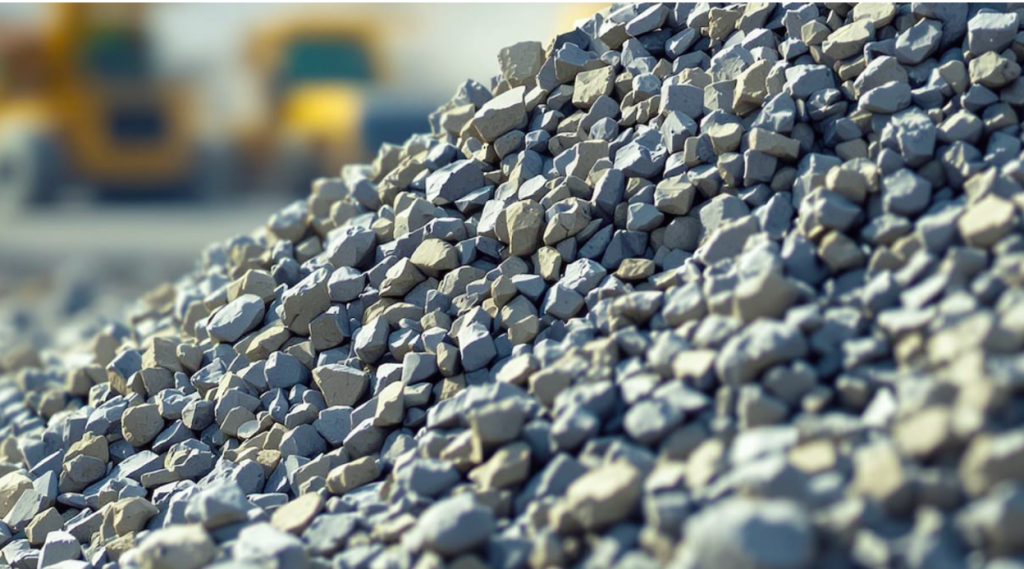
For contractors, every piece of equipment in the fleet should support productivity, cost control, and job site flexibility. A mobile concrete crusher can fit into a contractor’s equipment lineup by helping crews process concrete, asphalt, brick, block, stone, and other materials on site instead of relying only on hauling, disposal, or outside aggregate suppliers.
A strong contractor equipment fleet is not just about owning more machines. It is about having the right machines for the work your company performs most often. Excavators, skid steers, loaders, trucks, compactors, and attachments all play a role in moving projects forward. Adding crushing capability with the help of R.R. Equipment can make that fleet more self-sufficient, especially for contractors who regularly handle demolition debris, concrete removal, site prep, roadwork, or recycling jobs.
Why Crushing Equipment Belongs in the Fleet Conversation
Many contractors think of crushers as specialty machines, but for businesses that deal with heavy recyclable material, a crusher can become a core production asset. Instead of treating broken concrete or asphalt as waste, contractors can process it into material that may be reused for base, backfill, construction entrances, driveways, parking areas, or road preparation.
This is one reason Rebel Crushers for contractors can be valuable. They help contractors reduce dependency on dump sites, trucking schedules, and purchased aggregate. When a company can recycle material in-house, it gains more control over both project costs and material availability.
How a Crusher Works with Existing Equipment
A crusher does not replace the rest of a contractor’s fleet. It works alongside it. Excavators can break and load material. Skid steers and loaders can feed, move, and stockpile crushed product. Trucks can transport processed material when needed. Compact equipment can spread and grade recycled aggregate for use on site.
This makes portable crushing equipment a natural fit for many contractor operations. Crews can use the machines they already own to support the crushing process. Instead of adding a completely separate workflow, the crusher becomes part of the existing material handling system.
For example, a demolition crew may use an excavator to break concrete, a loader to feed the crusher, and a skid steer to move crushed material into a stockpile. That same material may then be used on the project as base or transported to another job.
Increasing Fleet Efficiency
Fleet efficiency is about keeping equipment productive and reducing wasted movement. When debris must be hauled off site, trucks and crew members spend time away from the actual work area. This can create delays, fuel costs, truck wear, and scheduling challenges.
A mobile concrete crusher can help reduce unnecessary hauling by processing material directly where it is generated. This can keep more equipment and labor focused on the job. It can also reduce the need to schedule as many dump runs or aggregate deliveries.
For contractors working on multiple projects, the ability to move crushing equipment between sites can make the fleet more versatile. One machine may support demolition work one week, parking lot removal the next, and site prep after that.
Supporting Construction Recycling
Construction recycling equipment can help contractors turn waste into usable material. This is especially important as more property owners, developers, and municipalities look for ways to reduce waste and support more sustainable construction practices.
Concrete, asphalt, brick, block, and stone often have value after demolition or removal. When processed properly, these materials may be reused in practical applications, depending on project specifications and local requirements.
By adding recycling capability to the fleet, contractors can offer more complete services. Instead of only removing debris, they can remove, process, and reuse material. This can help position the company as a more efficient and environmentally responsible contractor.
When a Crusher Makes Sense for Your Fleet
A crusher may make the most sense if your company regularly handles heavy recyclable materials. Contractors should review how often they remove concrete or asphalt, how much they spend on hauling and disposal, how often they buy aggregate, and whether recycled material can be reused on their projects.
If the numbers show frequent material movement and high disposal costs, adding a crusher may improve long-term profitability. If crushing needs are only occasional, renting equipment or subcontracting crushing services may be a better first step.
The decision should be based on workload, crew capacity, transport requirements, maintenance ability, and project demand.
Operational Benefits for Contractors
Adding crushing equipment to a fleet can create several operational advantages. It can reduce disposal expenses, lower aggregate purchases, limit hauling, and improve material control. It can also help crews respond faster when job site conditions change.
For example, if a project produces more concrete debris than expected, a contractor with crushing capability may be able to process it instead of scrambling for additional trucks or dump site capacity. If a project needs base material, the contractor may already have crushed material available on site.
This kind of flexibility can help contractors manage projects more smoothly and protect profit margins.
Planning for Crew Training and Maintenance
Like any piece of heavy equipment, a crusher needs proper operation and maintenance. Contractors should plan for crew training, safety procedures, daily inspections, wear part replacement, and regular service. A machine that is not maintained properly can create downtime and reduce the value of the investment.
Before adding a crusher to the fleet, contractors should identify who will operate it, who will maintain it, and how it will be transported. Clear planning helps ensure the machine becomes a productive asset instead of an underused piece of equipment.
Final Thoughts
A contractor’s fleet should help the business work faster, control costs, and take on more profitable projects. For companies that regularly handle concrete, asphalt, brick, block, stone, or demolition debris, a crusher can add valuable material processing capability.
By fitting into the existing workflow with excavators, loaders, skid steers, trucks, and compactors, Rebel Crushers can help contractors reduce waste, reuse more material, and strengthen the overall value of their equipment fleet. For the right operation, portable crushing can turn a standard fleet into a more flexible and self-sufficient job site system.
