

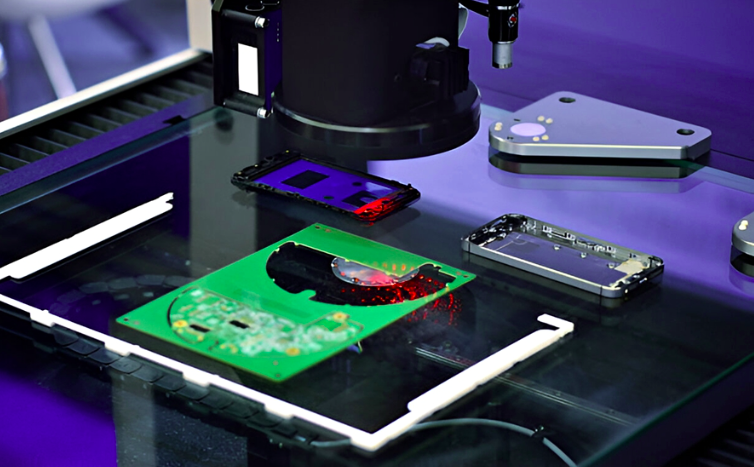
In the electronics industry, a successful product depends not only on innovative circuit design but also on how efficiently that design can be manufactured. Many production challenges, quality issues, and unnecessary costs originate during the design stage rather than the assembly process itself. For this reason, engineers and manufacturers increasingly focus on strategies to Optimize PCB Design for Efficient PCB Assembly. A well-optimized design simplifies manufacturing, reduces defects, improves production yields, and lowers overall product costs.
As electronic devices continue to become smaller, faster, and more complex, the relationship between design and assembly grows increasingly important. Modern PCB assemblies often contain hundreds or thousands of components packed into limited board space. Without proper design planning, even advanced manufacturing equipment can struggle to achieve consistent results. By applying Design for Manufacturability principles early in development, companies can create products that are easier to assemble, test, and scale for production.
Why It Is Important to Optimize PCB Design for Efficient PCB Assembly
The PCB design phase establishes the foundation for every manufacturing process that follows. Decisions regarding component placement, board layout, trace routing, and mechanical design directly influence assembly efficiency and product reliability.
When engineers optimize PCB design for efficient PCB assembly, they reduce the likelihood of manufacturing defects, minimize production delays, and improve overall product quality. Poorly designed boards often require additional manual intervention, increased inspection efforts, and costly rework. In contrast, assembly-friendly designs support automation, simplify production workflows, and enable consistent manufacturing performance.
An optimized design also shortens time-to-market by reducing engineering revisions and preventing production issues that could otherwise delay product launches. For companies competing in fast-moving electronics markets, these advantages can significantly impact profitability and customer satisfaction.
Apply Design for Manufacturability Principles Early
One of the most effective ways to optimize PCB design for efficient PCB assembly is to incorporate Design for Manufacturability principles at the beginning of the project. DFM focuses on creating designs that are compatible with manufacturing capabilities while minimizing complexity and production risks.
Early collaboration between design engineers and assembly teams allows potential manufacturing challenges to be identified before production begins. This approach helps eliminate unnecessary design revisions and ensures that assembly requirements are considered throughout development.
DFM reviews typically evaluate component spacing, pad geometries, soldering requirements, thermal considerations, and assembly accessibility. Addressing these factors early contributes to smoother production and higher manufacturing yields.
Optimize Component Placement
Component placement is one of the most important factors affecting assembly efficiency. Proper placement improves manufacturability, reduces assembly defects, and supports automated production processes.
Components should be arranged logically according to circuit functionality while maintaining adequate spacing for placement equipment and soldering operations. Crowded layouts can increase the risk of solder bridging, placement errors, and inspection difficulties.
Orientation consistency is also important. Aligning similar components in the same direction simplifies automated assembly and inspection procedures. Consistent orientation improves production speed and reduces the likelihood of assembly mistakes.
Careful placement planning helps manufacturers achieve reliable solder joints and efficient assembly operations.
Maintain Adequate Component Spacing
As electronic products become smaller, designers often attempt to maximize board space by placing components very close together. While compact layouts may reduce PCB size, insufficient spacing can create significant assembly challenges.
Adequate spacing allows solder paste to be applied accurately and enables automated placement equipment to position components without interference. Proper spacing also improves inspection accessibility and reduces the risk of soldering defects such as bridging and tombstoning.
Manufacturers often establish minimum spacing requirements based on component size, assembly technology, and production capabilities. Following these guidelines helps optimize PCB design for efficient PCB assembly while maintaining product reliability.
Balancing miniaturization with manufacturability is essential for achieving successful production outcomes.
Standardize Components Whenever Possible
Using standardized components can significantly improve assembly efficiency and supply chain management. Designs that utilize a large variety of unique component types often require additional machine setups, feeder changes, and inventory management efforts.
Standardization reduces manufacturing complexity by minimizing the number of component packages and part numbers used within a design. This approach simplifies procurement, improves assembly consistency, and reduces the likelihood of placement errors.
In addition, widely available standard components often provide better sourcing flexibility and lower procurement costs. Standardization therefore benefits both manufacturing efficiency and overall project economics.
Engineers should consider standard component options whenever they meet performance requirements.
Design for Automated Assembly
Modern electronics manufacturing relies heavily on automated equipment for component placement, soldering, and inspection. To optimize PCB design for efficient PCB assembly, designs should support automated production processes whenever possible.
Component packages should be compatible with automated pick-and-place systems, and board layouts should accommodate standard manufacturing equipment. Designers should avoid unusual component orientations, inaccessible placement locations, and assembly features that require excessive manual intervention.
Automation-friendly designs improve production speed, reduce labor requirements, and enhance assembly consistency. They also support scalability as production volumes increase.
By considering automation requirements during design, manufacturers can achieve more efficient and cost-effective production.
Improve Solderability Through Proper Pad Design
Pad design plays a critical role in solder joint quality and assembly reliability. Incorrect pad dimensions can contribute to soldering defects, component misalignment, and manufacturing inconsistencies.
Proper pad geometries ensure that solder paste is deposited accurately and that components align correctly during reflow soldering. Designers should follow industry-standard footprint recommendations and manufacturer guidelines when creating component land patterns.
Special attention should be given to fine-pitch components, Ball Grid Arrays, and other advanced semiconductor packages. Optimized pad designs improve solder joint formation and reduce assembly defects.
Effective solderability contributes directly to manufacturing yields and long-term product performance.
Consider Thermal Management Requirements
Thermal performance is an important aspect of PCB design that can affect both assembly processes and product reliability. High-power components generate heat that must be managed effectively to prevent performance degradation and premature failure.
Designers should incorporate thermal vias, copper planes, heat sinks, and appropriate component spacing to support efficient heat dissipation. Thermal considerations also influence soldering processes because excessive heat concentrations can affect solder joint quality.
A well-designed thermal management strategy improves product durability while supporting stable assembly conditions during manufacturing.
As electronic devices continue to increase in power density, thermal optimization becomes increasingly important.
Facilitate Inspection and Testing
Inspection and testing are essential stages of PCB assembly, and designs should support these activities whenever possible. Accessible test points allow technicians and automated testing systems to verify electrical performance efficiently.
Component placement should not obstruct critical inspection areas, and board layouts should provide sufficient visibility for Automated Optical Inspection systems. Hidden or difficult-to-access regions can complicate quality control procedures and increase production costs.
Designs that facilitate testing and inspection improve defect detection, reduce troubleshooting time, and support higher manufacturing yields.
Considering quality assurance requirements during design contributes to smoother production and improved product reliability.
Minimize Design Complexity Without Sacrificing Performance
While advanced features and compact layouts are often necessary, unnecessary complexity can increase manufacturing challenges. Simplifying PCB designs wherever possible helps improve assembly efficiency and reduce production risks.
Engineers should evaluate whether certain design elements add meaningful value or merely complicate manufacturing. Simplified routing, optimized layer structures, and efficient component selection can often achieve the same functional objectives with fewer production challenges.
Reducing complexity improves manufacturability while supporting cost-effective production. A balanced approach that considers both performance and assembly efficiency is often the most successful strategy.
The Role of DFM Reviews in PCB Assembly Success
Design for Manufacturability reviews are among the most valuable tools available for optimizing PCB designs. These reviews allow manufacturing experts to evaluate designs before production begins and identify potential assembly concerns.
DFM analysis can reveal issues related to component placement, solderability, spacing, thermal performance, and testing accessibility. Correcting these issues during the design stage is far less expensive than addressing them after production has started.
Regular DFM reviews encourage collaboration between engineering and manufacturing teams, resulting in designs that are both functional and production-friendly.
Organizations that consistently perform DFM evaluations often experience higher yields, lower costs, and improved product quality.
Conclusion
To optimize PCB design for efficient PCB assembly, manufacturers must consider assembly requirements from the earliest stages of product development. Proper component placement, adequate spacing, standardized parts, automation-friendly layouts, optimized pad designs, thermal management strategies, and effective testing accessibility all contribute to smoother manufacturing processes and improved product reliability. By applying Design for Manufacturability principles and collaborating closely with assembly experts, companies can reduce production costs, minimize defects, accelerate time-to-market, and achieve higher manufacturing yields. As electronic products continue to become more advanced and compact, efficient design practices will remain essential for successful production. Organizations involved in demanding applications, including China Military PCB Assembly projects, rely heavily on optimized PCB designs to ensure consistent quality, reliability, and long-term performance.
