

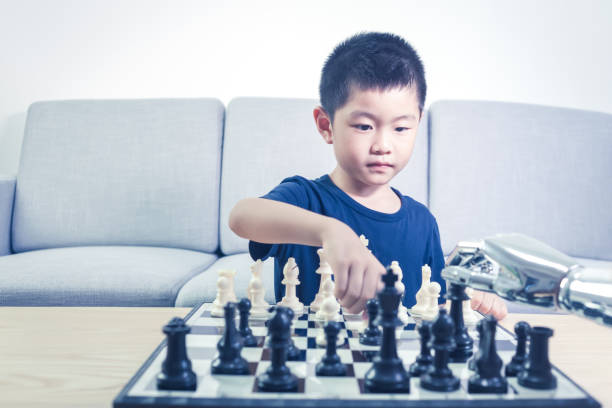
Skepticism about bot-based chess practice is not hard to find. Some experienced players argue that playing against a machine teaches you bad habits, that bots do not blunder the way humans do, that they punish mistakes too consistently to reflect real competitive conditions, and that time spent against a bot would be better spent against a person. These are reasonable concerns worth taking seriously. But they sit alongside a growing body of practical experience from players at every level who have made bot practice a central part of their training and seen genuine results. Platforms like Chessiverse have made bot-based chess more accessible and more thoughtfully designed than ever before, which means the quality of the practice available today is considerably better than what earlier generations of players had access to when forming their opinions about machine-based training.
So what is the honest answer? Is playing against chess bots online actually good for your game? The evidence from players who have tried it seriously suggests that the answer depends heavily on how you use the tool and that, used well, it is genuinely effective.
What the Skeptics Get Right
It is worth being honest about the limitations before getting to the benefits. The critics of bot practice are not entirely wrong; there are genuine ways in which playing against machines differs from playing against people, and those differences matter.
The most significant is psychology. Human chess is a psychological contest as much as a logical one. Your opponent’s body language, their speed of play, their reaction to losing a piece—all of these carry information that experienced players learn to read and respond to. A bot provides none of that. It plays with the same composure in a winning position as in a losing one, which means bot practice does not develop the psychological awareness that competitive chess requires.
There is also the question of playing style. Even well-designed bots play within a defined set of parameters; they do not experience the full range of human creativity, intuition, and occasional irrationality that makes human opponents so varied and sometimes so difficult to prepare for. A player who has only ever trained against bots may find themselves slightly disoriented the first time they face a human who plays in a genuinely unusual style.
These are real limitations. But there are also limitations that apply specifically to players who use bots exclusively, which is not how most serious players approach their training.
What Players Are Actually Discovering
The practical experience of players who have incorporated bot practice into a broader training routine tells a more positive story. The most consistent finding is that targeted bot practice accelerates improvement in specific technical areas far more efficiently than general human games do.
The endgame technique is the clearest example. Players who spend dedicated time practicing endgame positions against bots, working through king and pawn endings, rook endings, and minor piece endings systematically, report that their endgame play improves noticeably and relatively quickly. The reason is straightforward: bots allow you to repeat the same type of position as many times as you need, with consistent and accurate responses, until the correct technique becomes automatic. That kind of focused repetition is simply not available in the same way through casual human games.
Opening preparation shows similar results. Players who test their opening lines against bots develop a much clearer understanding of the resulting positions than those who only study them from books or videos. Seeing an opening play out in actual games, even against a machine, builds a familiarity with the arising positions that is qualitatively different from theoretical knowledge alone.
The Habit-Building Effect
One of the less obvious but genuinely important benefits of bot practice is what it does for training habits. Improvement in chess, as in most complex skills, is driven more by consistency than by the intensity of any individual session. Players who get regular games in, even short ones, tend to improve more steadily than those who play infrequently in longer, more intense bursts.
Bot practice makes consistent training genuinely easy. There is no scheduling, no waiting for an opponent, and no need to commit to a specific time or duration. You can play one game or ten; for twenty minutes or two hours; whenever your schedule allows. That flexibility removes the main practical barrier to consistent practice and allows players to build training habits that actually stick over the long term.
Players who struggle to find time for chess often find that bot practice is what keeps them engaged with the game through busy periods. A single focused game against a well-matched bot during a lunch break does more for your development than a long study session that keeps getting postponed because the timing never works out.
The Safety Dimension: More Important Than It Sounds
For many players, particularly those who are newer to online chess or who are introducing the game to younger family members, the safety of the playing environment genuinely matters. Bot-based chess addresses safety concerns in a direct and practical way.
When you play against chess bots, there is no human opponent on the other side of the screen. That means no unsolicited messages, no toxic behavior, and no exposure to the kind of poor sportsmanship that occasionally surfaces in competitive online gaming. The experience is entirely controlled: just you, the board, and the game. For parents thinking about chess as an activity for children and teenagers, that kind of clean, contained environment is a significant practical advantage.
Reputable platforms also invest seriously in account security and data protection. Choosing a well-established chess site means your personal information is handled responsibly and your account is protected by proper technical measures. The combination of a controlled social environment and strong platform security makes bot-based chess practice one of the more straightforwardly safe forms of online activity available.
Fun as a Legitimate Training Benefit
There is a tendency in discussions about chess training to focus exclusively on improvement, as if the only valid reason to practice is to get better. But enjoyment matters too, not just as a reward for hard work, but as a genuine driver of the consistency that improvement requires. Players who enjoy their practice sessions keep coming back. Players who find practice tedious or stressful find reasons to avoid it.
Bot practice, when it is well-designed, is genuinely enjoyable. There is real satisfaction in working through a complex position without time pressure, in finding a combination that wins material, or in converting a technically demanding endgame correctly. The absence of rating anxiety and social pressure means you can focus entirely on the pleasure of the game itself, which is what drew most players to chess in the first place.
Platforms that design their bots with personality and style, giving each one a distinctive approach to the game, add another layer of enjoyment to the experience. Playing against a bot that has a recognizable character makes the game feel more like a genuine contest and less like an exercise, which keeps engagement high over the long term.
How to Get the Most Out of Bot Practice
The players who benefit most from bot practice are those who approach it with a clear purpose. Going in with a specific goal, working on a particular opening, practicing a type of endgame, or testing a new piece of tactical knowledge produces far better results than simply playing games without any particular focus.
Post-game review is also important. Many platforms offer analysis tools that show you where your thinking went wrong and what better moves were available. Taking ten minutes after each game to review the key moments, understand your mistakes, and note the positions you found difficult turns a good game into a genuine learning experience. Players who review their bot games consistently improve faster than those who simply play and move on.
It also helps to vary the type of bot practice you do. Mixing opening work, middlegame play, and endgame practice across your sessions ensures that you are developing all areas of your game rather than becoming strong in one area while neglecting others. Treating bot practice as structured training rather than casual play is what separates players who see real results from those who plateau despite putting in the time.
The Honest Verdict
Playing chess against bots online is genuinely good for your game, with the important qualification that it works best as part of a broader training approach rather than as your only form of practice. Used deliberately and with clear goals, bot practice accelerates technical improvement, builds consistent training habits, provides a safe and enjoyable playing environment, and offers a level of flexibility that human games simply cannot match.
The skeptics are right that bots cannot fully replicate the psychological and stylistic variety of human opponents. But that has never been the point. Bots are a training tool, one that excels at specific jobs that humans do poorly. Understanding that distinction and using each type of practice for what it does best is what smart players are discovering, and it is why bot-based training continues to grow in popularity across every level of the game.
Conclusion: Try It and Judge for Yourself
The best way to answer the question of whether bot practice is good for your chess is to try it properly and pay attention to the results. Set a clear goal for each session, review your games honestly, and give it enough time to see a real effect. Most players who approach it that way find that the benefits are genuine, the experience is enjoyable, and the improvement, when it comes, feels well earned.
Chess is a game that rewards those who practice with purpose. Bot-based practice, done well, is one of the most purposeful forms of training available to the modern chess player. The thousands of players who have already discovered that are not wrong.
