

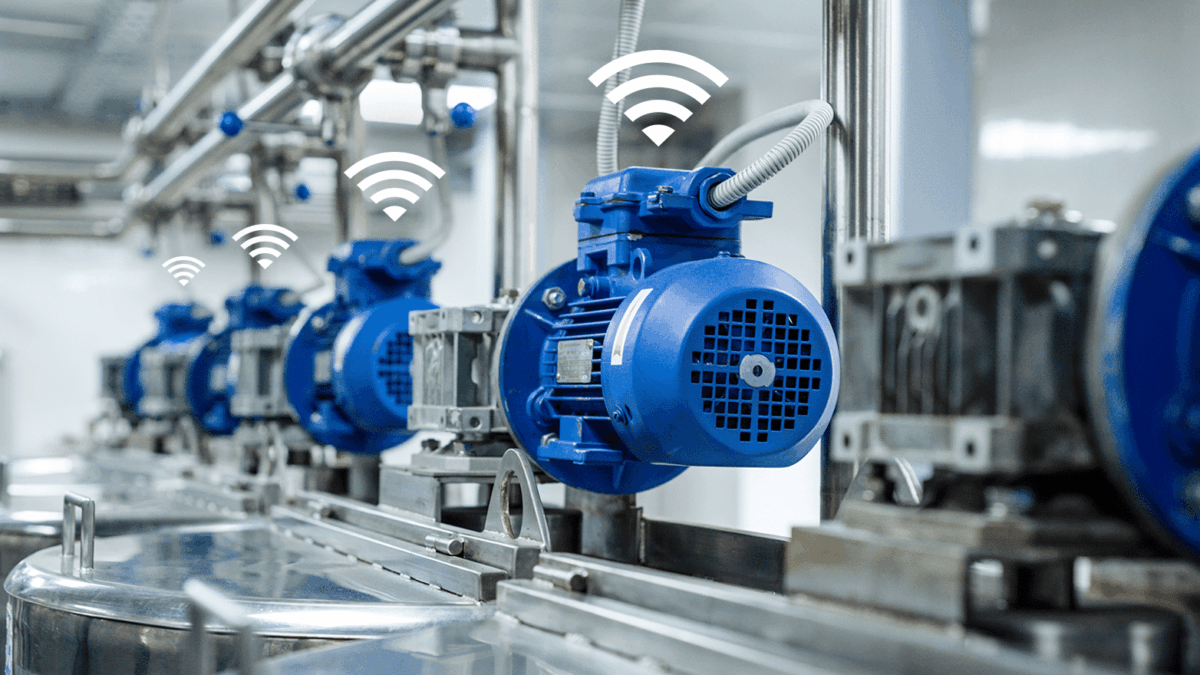
Equipment dependability is not just a benefit in contemporary industrial operations; it is a requirement for reliable output and economical operations. Predictive maintenance, a proactive strategy that employs real-time data to foresee equipment breakdowns before they happen, is one of the best strategies to preserve operational reliability. Vibration monitoring is one of the most effective and extensively utilized methods among the several employed in predictive maintenance. Engineers can identify wear, unbalance, misalignment, and other mechanical problems early on by examining vibration patterns in machinery. This technology prolongs the life of assets, helps avoid expensive downtime, and guarantees seamless operations in a variety of sectors, including mining, manufacturing, energy, and transportation.
Knowing the Fundamentals of Vibration Monitoring
Measuring and examining the oscillations that machinery produces while operating is known as vibration monitoring. Each moving or rotating part produces a unique vibration signature that indicates its state. The vibration pattern shifts, indicating a possible issue, when an abnormality, such as shaft misalignment or bearing wear, appears. To gather this vibration data, sensors and accelerometers are positioned strategically on key pieces of equipment. Specialized software is then used to process and interpret the data. Maintenance teams can identify the precise cause of anomalies by using the vibration spectrum that results, which offers insightful information about the condition of each component. Because of its accuracy, vibration monitoring is among the most dependable diagnostic techniques in condition-based maintenance.
Finding the First Indications of Equipment Failure
The capacity of vibration monitoring to identify possible faults early on is one of its biggest benefits. Reactive maintenance and other traditional maintenance methods only deal with problems after they arise, which frequently results in unscheduled downtime and expensive repairs. Practical remote vibration processes, on the other hand, continuously record modifications in the behavior of the machinery and notify specialists before minor issues turn into serious malfunctions. For example, a growing bearing problem may be indicated by an increase in vibration amplitude, but shaft imbalance or looseness may be shown by changes in frequency. Maintenance staff are able to take appropriate action thanks to these insights—not too late to risk damage, nor too early to squander resources.
Predictive Maintenance System Integration
A key component of predictive maintenance systems that use data-driven insights is vibration monitoring. It provides a thorough understanding of the condition of the equipment when combined with other monitoring methods like oil analysis, thermography, and ultrasound. The gathered vibration data is sent to a central monitoring platform, where artificial intelligence and machine learning algorithms examine trends and forecast performance in the future. These sophisticated algorithms are able to prioritize repairs, create maintenance schedules automatically, and even model possible outcomes depending on different scenarios. Industries may shift from reactive to predictive tactics thanks to this connection, which lowers downtime, optimizes maintenance costs, and boosts operational efficiency.
Advantages of Using Vibration Monitoring
At every organizational level, the use of vibration monitoring yields noticeable advantages. In terms of finances, it removes the need for regular manual inspections and lowers unforeseen maintenance expenses. Operationally, it guarantees that machinery operates at maximum efficiency, which raises output and improves product quality. Vibration monitoring, from a safety standpoint, avoids catastrophic failures that could harm infrastructure or put personnel in danger. By lowering material waste and increasing equipment lifespan, it also aids environmental initiatives.
Applications in the Real World in Various Industries
Vibration monitoring is widely used in many industries where the dependability of machinery is essential. It is employed in the manufacturing industry to keep an eye on conveyors, pumps, and motors to guarantee efficient production lines. Vibration sensors are used in the energy sector, especially in wind and hydroelectric power facilities, to identify imbalances that can compromise turbine efficiency. Vibration monitoring is particularly crucial to the mining and transportation sectors for tracking the health of large gear and vehicles that are subjected to harsh operating conditions. Vibration analysis guarantees that engines and rotating parts operate safely, even in fields like aerospace and marine engineering where accuracy is crucial.
Beyond financial savings, vibration monitoring enhances sustainability, efficiency, and safety—all critical components of contemporary industrial success. Vibration monitoring will continue to be a key tool as sectors embrace digital transformation, guaranteeing that machinery runs smoothly and that companies stay ahead of possible issues.
